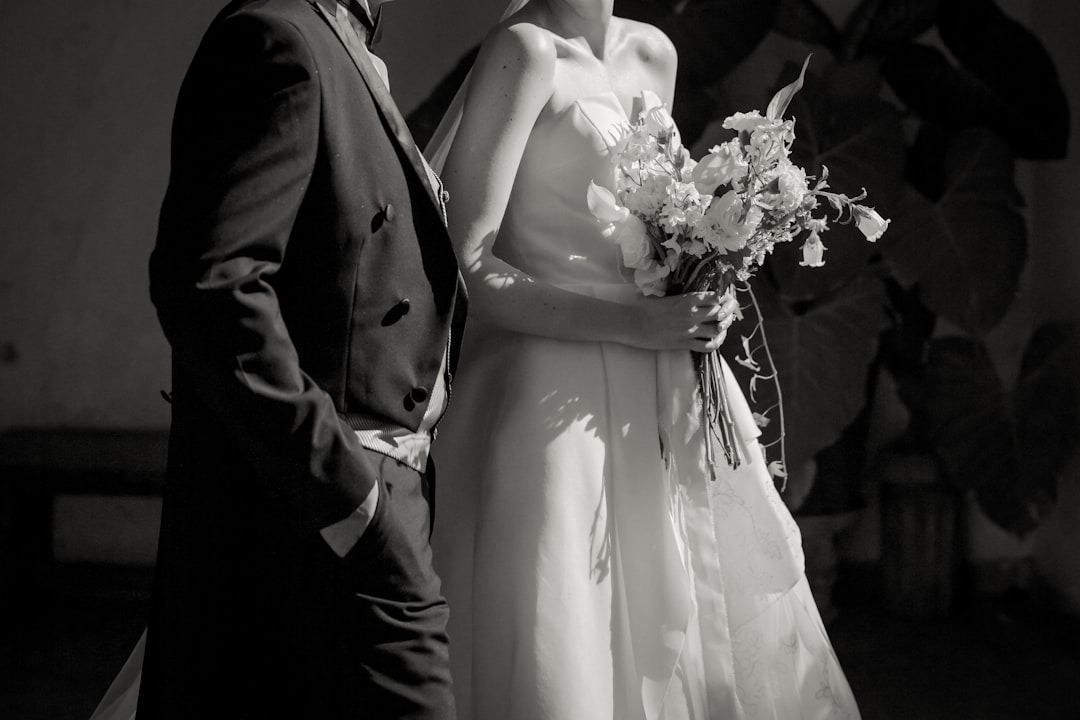
Wedding Minimalism 2026 Guide for Elegant Celebrations
Wedding Minimalism 2026: Creating Elegant Celebrations Through Intentional Simplicity and Refined Restraint
Estimated reading time: 18 minutes
Key takeaways:
- Minimalism is intentional, not empty — every element should serve a clear purpose, support comfort, or contribute meaningfully to the overall aesthetic.
- Quality beats quantity — premium materials, refined design, and thoughtful curation create elegance without visual excess.
- Guest experience remains central — minimalist weddings should still feel warm, welcoming, and highly comfortable.
- Space and restraint are design tools — white space, architectural venues, and selective details create sophistication through clarity.
- Consistency matters — from stationery to florals to catering, minimalism works best when every element follows the same intentional philosophy.
Table of contents
- Understanding Minimalism as Design Philosophy
- Minimalist Aesthetic Foundations
- Spatial Design and Venue Consideration
- Floral and Botanical Design
- Material Selection and Textures
- Minimalist Stationery and Paper Goods
- Catering and Hospitality Minimalism
- Guest Experience in Minimal Celebrations
- Minimalist Design Timeline and Planning
- Budget Considerations for Minimal Celebrations
- Common Minimalist Design Mistakes
- Vendor Communication for Minimal Design
- Minimalism Across Celebration Elements
- Seasonal Considerations for Minimal Design
- Conclusion: Minimalism as Intentional Elegance
- FAQ
Understanding Minimalism as Design Philosophy
Minimalism transcends aesthetic to represent values and intentional decision-making. Rather than being about austerity or deprivation, it is a design philosophy centered on essential elements, purposeful restraint, and clarity of expression.
Core Minimalist Principles
Essential Reduction means including only necessary elements:
- Every included element serves clear purpose or meaning
- Decoration appears only when functionally or emotionally justified
- Unnecessary items are eliminated regardless of beauty or cost
- Constraint forces intentional selection
- Results in an uncluttered, focused celebration aesthetic
Quality Over Quantity emphasizes excellence:
- Fewer, better selections replace numerous mediocre options
- Premium materials and finishes compensate for limited quantity
- Craftsmanship and durability are emphasized
- Lasting beauty replaces temporary trendiness
- Investment goes into essential items rather than accumulation
Intentional Simplicity is purposeful restraint:
- Every decision reflects couple values and aesthetic
- No default selections or convention-following
- Clear rationale exists for each included element
- Design emerges from intentional choice, not accident
- Simplicity requires meticulous planning and decision-making
Functional Beauty means form following function:
- Beauty emerges from purpose rather than decoration
- Materials are chosen for inherent beauty and durability
- Design supports comfort and guest experience
- Aesthetic remains secondary to functionality
- Results in honest, authentic design
Minimalism Versus Emptiness
Minimal Design is intentional and purposeful:
- Ample white space creates visual breathing room
- Essential elements are thoughtfully arranged
- Quality materials and finishes speak for themselves
- Sophisticated aesthetic communicates through restraint
- Warm, inviting atmosphere exists despite limited decoration
Empty Design lacks intention or beauty:
- Sparse space feels cold or abandoned
- Hospitality or consideration may be inadequate
- Lack of visual interest or focal points weakens the scene
- Environment feels uncomfortable and uninviting
- Often results from budget constraints or lack of vision rather than philosophy
Minimal celebrations feel intentional, warm, and beautiful—never abandoned or unwelcoming.
Minimalist Aesthetic Foundations
Creating minimal celebrations requires establishing clear aesthetic direction through restrained color, typography, and communication choices.
Color Palette Development
Monochromatic Approach uses a single color family:
- White or cream serves as the primary color
- Variation comes through texture rather than color change
- One metallic accent, such as gold, silver, or rose gold, adds subtle emphasis
- An optional second neutral tone like light gray or warm beige adds depth
- The result is cohesive, sophisticated, and timeless
Limited Two-Color Palette keeps color selection restrained:
- White or neutral primary color
- Single accent color such as navy, emerald, burgundy, or charcoal
- Metallic supporting element
- Creates visual interest without overwhelming
- Produces a sophisticated, intentional appearance
Warm Neutrals Palette creates a natural aesthetic:
- Cream, ivory, and warm white form the foundation
- Natural materials like wood, stone, and linen add warmth
- An optional natural accent such as sage, soft blue, or warm gray may be added
- Celebrates natural materials and organic beauty
- Feels comfortable and welcoming
Cool Minimalism offers a contemporary direction:
- Pure white, cool gray, and charcoal dominate
- Optional cool accent such as navy, emerald, or cool blue
- Metallic accents may include silver, champagne, or steel
- Produces a contemporary, sophisticated, architectural aesthetic
Minimal color palettes prioritize restraint, coherence, and timelessness over complexity or trendy combinations.
Typography and Communication
Single Typeface reflects restraint in font selection:
- One primary typeface in multiple weights
- Hierarchy is created through size and weight variation rather than different fonts
- An elegant serif or clean sans-serif works well
- Supports a cohesive aesthetic
- Demonstrates design restraint and intention
Limited Text Application reduces verbal communication:
- Only essential information is included: date, time, location, RSVP
- Minimal decorative or explanatory text
- Clear, readable typography is prioritized
- Generous white space surrounds text
- A website or digital alternative can provide detailed information
Hand-Lettering Consideration adds authenticity and warmth:
- Custom calligraphy may be used for couple names or key elements
- Hand-lettered signage can replace printed decoration
- Adds warmth and personality without excess
- Demonstrates authentic craftsmanship and care
- Limited application creates special emphasis
Spatial Design and Venue Consideration
Minimal celebrations emphasize space and architectural features, allowing the venue itself to become part of the aesthetic story.
Venue Selection
Architecturally Significant Spaces leverage inherent beauty:
- Historic venues with distinctive character
- Modern architecture with clean lines
- Natural spaces with beautiful surroundings
- Venues where architecture serves as the primary focal point
- Minimal additional decoration is needed when the venue is beautiful
Open, Uncluttered Spaces support minimal aesthetic:
- Venues without excessive existing décor
- Open floor plans enable spacious arrangement
- High ceilings create a sense of openness
- Natural light reduces the need for extensive lighting
- Architecture complements rather than competes with design
Outdoor or Natural Settings emphasize existing beauty:
- Gardens, parks, or natural landscapes
- Waterfront locations with water as focal point
- Vineyards or agricultural settings
- Additional décor needs are minimized
- Nature provides the primary visual interest
Spatial Arrangement
Generous Spacing avoids crowding:
- Fewer tables or guests allow spacious arrangement
- Ample pathways support easy navigation
- Clear separation exists between functional areas
- Breathing room surrounds focal points
- Uncomfortable density is avoided
Negative Space Creation uses white space as a design element:
- Large, undecorated areas are intentionally left open
- Ample white tablecloth space remains visible
- Clean floors feature minimal furniture
- Walls and surfaces are largely unadorned
- Sophisticated aesthetic emerges from emptiness
Focal Point Emphasis highlights essential elements:
- Ceremony backdrop or altar area is the primary focus
- Reception focal point may be simply the bride and groom table
- Dance floor serves as a contained focal area
- Limited, intentional decoration surrounds focal points
- Supporting elements remain secondary and subtle
Flow and Movement support thoughtful circulation:
- Clear pathways guide guest movement
- Logical progression exists between ceremony and reception
- Adequate space allows comfortable standing and dining
- Arrival and departure are organized without chaos
- Guest comfort is prioritized over decoration

Floral and Botanical Design
Minimal celebrations showcase botanical beauty through restraint, using flowers and greenery with precision rather than abundance.
Selective Floral Approach
Statement Arrangements use limited, impactful placements:
- Few, carefully designed arrangements rather than numerous displays
- Arrangements are positioned as focal points receiving attention
- Premium flowers and sculptural design elevate the look
- Architectural approach emphasizes form and structure
- Allows investment in quality over quantity
Greenery Focus celebrates foliage over blooms:
- Varied foliage provides visual interest
- Selective use of blooms adds accent
- Sculptural leaf forms create interest
- Sustainable approach uses readily available materials
- Creates a contemporary, architectural aesthetic
Monochromatic Florals reinforce color restraint:
- All-white flower arrangements
- Single-color palettes with varied textures
- Simplicity allows form and structure to be emphasized
- Timeless and elegant in appearance
- Sophisticated approach to floral design
Negative Space in Design avoids overcrowded arrangements:
- Visible containers show through arrangements
- Open space remains between flowers and foliage
- Sculptural gaps create visual interest
- Architectural approach prioritizes form
- Contemporary aesthetic celebrates space
Alternative Approaches
Minimal Floral Presence further reduces botanical elements:
- Few or no cut flowers
- Focus on potted plants or living installations
- Emphasis on architectural elements
- Nature expressed through foliage or living features
- Garden settings can eliminate the need for cut flowers
Seasonal Foliage embraces natural materials:
- Branches, twigs, and natural elements
- Minimal processing maintains organic appearance
- Cost-effective alternative to premium blooms
- Authentic, honest aesthetic
- Sustainable approach respects natural cycles
Material Selection and Textures
Minimal design celebrates material authenticity, allowing surfaces and textiles to speak through quality rather than embellishment.
Table Linens and Textiles
Quality Over Quantity favors premium natural fibers:
- 100% linen in white, cream, or neutral tones
- Linen quality is visible through subtle texture
- Minimal decoration allows material beauty to show
- Authentic, natural aesthetic
- Durability and aging quality are valued
Varied Textures create visual interest through finish:
- Mix of matte and subtle sheen linens
- Varied weaves create tactile interest
- Natural fiber character remains visible
- Sophisticated approach without color variation
- Textural variation adds depth to a limited palette
Unadorned Simplicity resists embellishment:
- Plain linens without elaborate overlays or details
- Natural fiber beauty is sufficient without decoration
- Minimal table styling beyond necessary place settings
- Honest material expression
- Sophisticated approach to simplicity
Surface Materials
Natural Materials celebrate authentic surfaces:
- Wood tables show natural grain
- Stone or concrete floors maintain an honest finish
- Brick or natural wall surfaces
- Metal elements such as mild steel or brushed aluminum show authentic material
- Authentic materials require no disguise
Quality Finishes demand meticulous attention to detail:
- Well-maintained, polished surfaces
- Pristine cleanliness and presentation
- Materials look intentionally selected, not neglected
- Craftsmanship is evident in preparation
- Excellence in execution demonstrates care
Minimalist Stationery and Paper Goods
Written materials reflect minimal aesthetic philosophy through clarity, restraint, and premium execution.
Invitation Design
Simple, Clean Layout presents essential information clearly:
- Couple names are prominently positioned
- Date, time, and location are clearly stated
- RSVP information is essential only
- Ample white space surrounds text
- Generous margins create breathing room
Premium Materials compensate for simplicity:
- Fine cardstock such as cotton fiber or specialty papers
- Elegant typography compensates for limited design
- Metallic foil accents are applied sparingly
- Hand-lettering or calligraphy adds a personal touch
- Material quality is evident through minimal embellishment
Minimal Color and Decoration keeps design restrained:
- Single ink color such as black, navy, or charcoal
- Optional metallic foil accent
- No printed decoration or patterns
- White space becomes the design element
- Sophistication emerges from simplicity
Digital Alternatives reduce paper entirely:
- Digital invitations via email or wedding website
- Reduced paper waste and environmental impact
- Digital RSVP reduces mail volume
- Appropriate for tech-savvy guests
- Minimalist communication is maintained
Supporting Stationery
Consistent Simplicity coordinates the minimal aesthetic:
- All stationery reflects the same minimalist philosophy
- Menu cards, place cards, and programs share the same design approach
- Uniform typography is used across materials
- Limited color and decoration are maintained
- The result is cohesive and intentional
Functional Minimalism lets design serve purpose:
- Every element is necessary for guest information or comfort
- No purely decorative items are included
- Elegant typography supports readability
- Thoughtful spacing improves clarity
- Design supports rather than distracts
Catering and Hospitality Minimalism
Food service reflects minimalist values through curation, quality, and elegant simplicity.
Menu Design
Curated Selections emphasize limited options of exceptional quality:
- 2–3 entrée choices rather than 6+ options
- Thoughtfully planned menu reflects refined taste
- Premium ingredients are sourced selectively
- Consistent excellence is maintained across offerings
- Shows intentional curation rather than abundance
Simple Presentation lets food beauty come through quality:
- Refined plating without excessive decoration
- Natural ingredient colors and textures are visible
- Elegant simplicity in plate composition
- Premium ingredients shine without disguise
- Beauty emerges from quality and craftsmanship
Limited Course Count creates an essential dining progression:
- First course, main course, and dessert
- Elegant sufficiency without excessive indulgence
- Guest comfort is prioritized over abundance
- Meaningful progression avoids fatigue
- Focused dining experience
Service Style
Efficient, Attentive Service supports guest comfort:
- Professional staff anticipate needs
- Unobtrusive presence maintains simplicity aesthetic
- Prompt service avoids excessive attention-seeking
- Clean, orderly presentation
- Guest comfort is enhanced through excellent execution
Beverage Curation favors selective options:
- Signature cocktail or limited aperitif options
- Wine selection of excellent quality
- Water and non-alcoholic options
- Limited bar reduces complexity
- Premium selections replace numerous mediocre options
Guest Experience in Minimal Celebrations
Minimalism enhances rather than compromises guest comfort. The goal is to make the experience feel calm, thoughtful, and deeply welcoming.
Comfort and Convenience
Adequate Facilities support guest needs:
- Comfortable seating with appropriate furniture
- Climate control ensures comfort
- Adequate restroom facilities
- Clear signage and wayfinding
- Logistical support reduces guest stress
Thoughtful Touches add personal consideration:
- Coat check service if appropriate
- Welcome drinks upon arrival
- Accommodations for dietary needs without drama
- Comfortable pacing prevents a rushed experience
- Small gestures communicate care
Accessible Design ensures inclusive consideration:
- Accessible entrances and facilities
- Adequate lighting ensures safety
- Clear communication reduces confusion
- Comfortable standing and seating areas
- Intentional design supports all guests
Emotional Experience
Intimacy and Connection are central to the experience:
- Smaller guest counts enable genuine interaction
- Intimate atmosphere supports conversation
- Minimal distraction from people and relationships
- Focus remains on meaningful connection
- The celebration emphasizes genuine relationships
Authentic Atmosphere feels genuine and unforced:
- Celebration reflects couple personality honestly
- Minimal pretense or performative elements
- Honest expression of couple values
- Authentic emotion is supported by thoughtful design
- Experience feels genuine rather than produced
Purposeful Celebration creates meaningful progression:
- Clear celebration structure with purpose
- Intentional programming avoids filler entertainment
- Moments of genuine significance are emphasized
- Guest participation in meaningful elements is encouraged
- The celebration focuses on commitment rather than spectacle
Minimalist Design Timeline and Planning
Strategic minimalism requires intentional planning, with each phase building toward a cohesive and thoughtfully restrained celebration.
- 12 Months Before: Establish minimalist design philosophy and values. Clarify which elements matter most to the couple. Research minimalist-aligned venues and vendors. Define aesthetic direction and color palette.
- 9–10 Months Before: Select a minimalist-compatible venue. Identify vendors who share the design philosophy, including photographer, florist, and caterer. Communicate design vision and values clearly. Finalize guest list and accommodation needs.
- 6–8 Months Before: Complete major vendor selections. Finalize invitation design and materials. Plan menu with caterer emphasizing quality simplicity. Establish detailed design specifications ensuring vendor alignment.
- 3–6 Months Before: Review all vendor designs to confirm the minimal aesthetic. Approve stationery and printed materials. Finalize floral design and arrangement specifications. Confirm all design details with coordination.
- Final Months: Verify all materials and vendor selections align with the minimalist vision. Brief the wedding party on aesthetic direction. Finalize day-of logistics ensuring smooth execution. Confirm all details supporting guest comfort.

Budget Considerations for Minimal Celebrations
Minimalism offers surprising budget advantages by reducing scale while increasing room for strategic quality investment.
Cost Reduction Opportunities
Reduced Guest Count creates significant savings:
- Fewer guests reduce catering and venue costs
- Smaller venue accommodates limited guests
- Personalized attention becomes feasible at smaller scale
- Cost savings allow quality investment in remaining elements
- Intimate celebration supports meaningful interaction
Eliminated Decoration produces substantial savings:
- No extensive floral arrangements
- Minimal décor investment
- Reduced lighting and rental needs
- Lower planning and coordination costs
- Savings can be redirected to food, photography, or venue
Simplified Menu favors quality over complexity:
- Limited menu selections reduce food costs
- Premium ingredients become more affordable at smaller scale
- Simplified service reduces staffing needs
- Focus remains on quality over abundance
- Intentional menu reduces waste
Digital Alternatives use technology to reduce costs:
- Digital invitations eliminate printing and postage
- Wedding website replaces extensive printed materials
- Digital RSVP reduces manual tracking
- Reduced paper production and waste
- Immediate communication reduces delays
Quality Investment Areas
Despite savings, minimal celebrations enable strategic quality investment in the elements that matter most:
- Premium photography documenting intimate moments
- Exceptional catering featuring premium ingredients
- Beautiful venue requiring minimal decoration
- Quality materials such as fine stationery and premium linens
- Personal touches reflecting genuine care
Common Minimalist Design Mistakes
Minimalism succeeds only when restraint is paired with careful execution and hospitality.
- Confusing minimalism with coldness — minimal celebrations should feel warm, intentional, and welcoming, not austere or unwelcoming.
- Insufficient detail or care — minimalism requires meticulous execution; with fewer visual distractions, flaws become obvious.
- Neglecting guest comfort — beautiful simplicity means nothing if guests are uncomfortable, confused, or feeling unwelcome.
- Over-reduction — avoid eliminating necessary elements such as food, beverages, seating, or entertainment.
- Indecision appearing as emptiness — thoughtful minimalism requires confident decisions and clear purpose.
- Aesthetic compromise — minimal does not mean plain or boring; invest in beautiful materials and intentional curation.

Vendor Communication for Minimal Design
Clear aesthetic communication prevents misalignment and ensures every vendor supports the same design philosophy.
Design Direction Briefing
Philosophy Explanation clarifies the minimalist approach:
- Explain that simplicity reflects intentional choice, not budget constraint
- Describe the focus on quality, authenticity, and essential elements
- Clarify which design areas receive emphasis
- Explain where restraint is intentional
- Ensure vendors understand and support the philosophy
Visual References communicate through examples:
- Share minimalist inspiration images
- Provide examples of the desired aesthetic
- Show vetted vendor work reflecting a minimal approach
- Reference color palette and material selections
- Use visuals to clarify abstract philosophy
Explicit Parameters establish clear boundaries:
- Specify what is included and excluded
- Explain budget allocation priorities
- Describe acceptable material selections
- Define unacceptable directions such as excess, kitsch, or trendiness
- Create clear expectations that prevent disappointment
Design Approval Process
Proactive Mockup Review ensures alignment:
- Request mockups before production
- Review designs early to enable adjustments
- Provide detailed feedback guiding revisions
- Approve before proceeding to production
- Prevent costly mistakes through early review
Material Sampling verifies tactile quality:
- Request actual material samples
- Review them in celebration lighting and context
- Verify premium quality and appropriate finish
- Assess color accuracy and texture
- Approve materials before production
Minimalism Across Celebration Elements
A consistent minimalist aesthetic should carry through every major element of the celebration, from photography to entertainment.
Photography Style
Documentary Approach captures authentic moments:
- Focus on genuine emotion and interaction
- Minimal posed photos emphasize candid moments
- Clean composition avoids excessive decoration
- Edited images maintain a natural aesthetic
- The result is timeless and trend-resistant
Curated Coverage keeps documentation intentional:
- Selective moments rather than exhaustive coverage
- Quality emphasizes significant moments
- Edited gallery reflects minimalist aesthetic
- Final collection tells a coherent story
- Timeless portfolio maintains relevance
Entertainment and Programming
Intentional Activities prioritize purpose-driven programming:
- Ceremony remains the primary focus and requires minimal additional entertainment
- Limited reception entertainment supports rather than overwhelms
- Meaningful toasts and family moments are emphasized
- Dance floor remains available without forced entertainment
- Guest interaction and conversation are prioritized
Music Selection is carefully curated:
- Songs reflect the couple’s taste
- Volume allows conversation
- Quality sound system supports appreciation
- Minimal background noise enables communication
- Music enhances rather than dominates
Seasonal Considerations for Minimal Design
Season influences minimal aesthetic appropriately, allowing the environment to support the design rather than compete with it.
Spring Minimalism
Natural Beauty Emphasis leverages seasonal freshness:
- Fresh green foliage provides natural color
- Pale spring blooms serve as subtle accents
- Light, airy aesthetic aligns with the season
- Minimal additional decoration is needed when natural beauty is abundant
- Seasonal alignment creates an authentic aesthetic
Summer Minimalism
Light and Space Emphasis leverages long daylight:
- Natural light reduces lighting needs
- Outdoor celebrations emphasize open space
- Fresh foliage and minimal florals remain sufficient
- Bright aesthetic supports minimal design
- Seasonal alignment creates a clean, bright feel
Fall Minimalism
Natural Color Palette embraces seasonal tones:
- Golden hour light supports a warm minimal aesthetic
- Natural foliage provides subtle color
- Harvest freshness appears without excess decoration
- Seasonal materials reduce the need for supplementary florals
- Natural beauty supports intentional simplicity
Winter Minimalism
Crisp, Clean Aesthetic leverages seasonal character:
- White snow provides a natural backdrop
- Minimal decoration works well in a pristine setting
- Cool, clear aesthetic supports minimalism
- Metallic accents complement winter light
- Seasonal simplicity reinforces the design philosophy
Conclusion: Minimalism as Intentional Elegance
Wedding minimalism 2026 represents a sophisticated philosophy prioritizing authentic experience, intentional curation, and genuine beauty through strategic restraint and careful reduction. By establishing clear minimalist principles, selecting quality materials and spaces, eliminating unnecessary elements, and maintaining consistent aesthetic across all details, you create celebrations defined by elegance, authenticity, and purposeful design.
Minimal celebrations communicate through what remains rather than what is added—where every element serves a clear purpose, every material reflects quality, and every design choice reflects genuine values and aesthetic intention. Your minimalist celebration becomes a beautiful expression of couple identity: elegant, authentic, and focused on meaningful celebration of commitment and genuine connection with the people who matter most.
Thoughtfully executed minimalism creates sophisticated, memorable celebrations that age beautifully, photograph elegantly, and prioritize genuine experience over performative spectacle.
FAQ
Is minimalism just a budget wedding style?
No. Minimalism is a design philosophy centered on intention, quality, and restraint. While it can reduce costs, the core goal is to create an elegant celebration where every element serves a purpose.
How do you keep a minimalist wedding from feeling cold?
Focus on warmth through hospitality, comfortable seating, natural materials, thoughtful lighting, and personal touches. Minimalism should feel welcoming, not empty.
What colors work best for a minimalist wedding?
Common choices include monochromatic whites, creams, and neutrals, or a restrained two-color palette with one accent shade. Warm neutrals and cool minimalism are both effective when used consistently.
Can minimalist weddings still include flowers?
Yes. Minimalist weddings often use statement arrangements, greenery, monochromatic florals, or limited botanical accents. The emphasis is on intentional placement and quality rather than quantity.
What venues are best for minimalist weddings?
Architecturally significant spaces, open and uncluttered venues, and natural settings work especially well because they already provide visual interest and reduce the need for additional decoration.