Modern Wedding Branding Guide and Practical Tips for 2026

The Art of Modern Wedding Branding: Crafting Your Unique Identity for 2026
Estimated Reading Time: 10 minutes
- Your Story is Your Starting Point: Begin with what makes your relationship unique.
- Consistency is Paramount: Apply your brand elements diligently across every detail.
- Invest in Expertise: Professional help can elevate your vision and ensure seamless execution.
- Think Holistically: Your brand extends beyond invitations; consider the entire experience.
- It’s an Experience, Not Just Aesthetics: A strong wedding brand evokes emotion and tells your story.
Table of Contents
- What is Modern Wedding Branding? Defining Your Unique Identity
- Beyond the Invitation: A Holistic Approach
- Design Tips for a Standout Wedding Brand
- Practical Planning Advice for Building Your Wedding Brand
- Expert Insights: What’s Trending in 2026 Wedding Branding
- Real Wedding Inspiration: Branding That Told a Story
- Key Takeaways for Brides
- Beyond the Big Day: The Lasting Impression of Your Wedding Brand
- Frequently Asked Questions About Modern Wedding Branding
What is Modern Wedding Branding? Defining Your Unique Identity
In the competitive landscape of the wedding industry, standing out is paramount. For couples, this means creating an identity that speaks volumes about who they are. Modern wedding branding, much like corporate branding, establishes a recognizable and consistent aesthetic across all touchpoints of your wedding journey. It’s about intentional design choices that build a singular narrative, ensuring every detail contributes to a harmonious and memorable experience.
Branding isn’t just for businesses; it’s a powerful tool for personal storytelling. It’s the consistency, cohesion, and personal narrative that elevates a wedding from a series of events to a truly bespoke celebration. Your wedding brand sets the tone, communicates expectations, and imbues every element with a sense of purpose and elegance. It’s the silent narrator of your love story, making sure that from the moment guests receive their invitation to the final thank-you note, they feel immersed in your world. This contemporary wedding design approach ensures your celebration is not just an event, but an experience.
Beyond the Invitation: A Holistic Approach
While the wedding invitation is often the first tangible representation of your wedding brand, its scope extends far beyond paper and envelopes. A truly holistic brand identity encompasses everything from your wedding website and social media announcements to welcome bags, favors, decor elements, custom stationery, and even the choices of dinnerware and linen. Every piece, no matter how small, becomes an opportunity to reinforce your cohesive wedding theme.
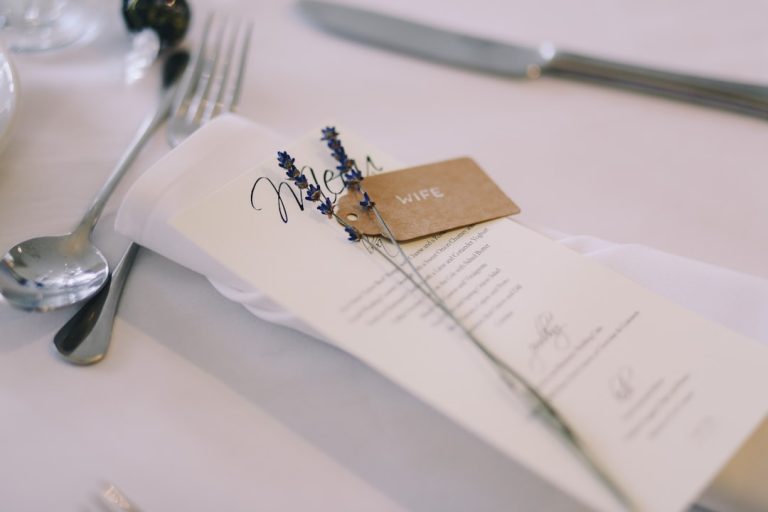
Imagine a guest arriving at your venue. The welcome sign, the escort cards, the menu, the custom cocktail napkins, and even the thank-you note they receive later—all bearing elements of your unique design. This level of detail and consistency is what transforms a beautiful wedding into an exquisitely branded experience. It’s about designing a full sensory journey where sight, touch, and even anticipation are carefully considered and aligned with your distinct style.
Design Tips for a Standout Wedding Brand
Crafting a compelling wedding brand requires thoughtful design decisions. It’s an artful balance of aesthetics, personal narrative, and practical application.
Start with Your Story: Personalizing Your Vision
The foundation of any strong brand, especially a personal one like a wedding, is its story. Before you dive into colors or fonts, take time to reflect on your shared values, significant milestones in your relationship, and your collective aspirations for your future together. What adjectives best describe your relationship or the feeling you want your wedding to evoke? Are you playful, elegant, whimsical, minimalist, grand, or intimate?
Brainstorming these core elements will serve as your guiding star throughout the design process. This introspection allows you to move beyond fleeting trends and create a personalized wedding branding idea that genuinely represents you as a couple. Do you love travel? Perhaps subtle map elements or destination-inspired typography. Are you art enthusiasts? Incorporate abstract motifs or brushstroke textures. Your story is your most potent brand asset.
The Power of the Palette: Choosing Your Core Colors
Your wedding color palette is more than just a decorative choice; it’s a powerful tool for conveying mood and style. While trends can be inspiring, consider what truly resonates with you and the overall atmosphere you wish to create. Think beyond just two or three colors; a sophisticated palette often includes primary shades, secondary complementary tones, and perhaps a metallic or neutral accent.
- Mood: Deep jewel tones evoke luxury and drama, while soft pastels suggest romance and whimsy. Bold, vibrant hues speak to joy and celebration, whereas a monochromatic palette implies sophistication and modernity.
- Timelessness vs. Trend: While incorporating a touch of a current trend can keep your wedding feeling fresh, grounding your palette in classic, personal choices ensures it remains beautiful for years to come in photographs and memories.
- Venue Consideration: The inherent colors and finishes of your chosen venue should also play a role in guiding your palette to ensure harmony and flow.
Typography as Your Voice: Selecting Fonts with Impact
Typography is the unsung hero of wedding branding, acting as the visual voice of your celebration. The right font pairings can communicate elegance, playfulness, tradition, or cutting-edge modernity before a single word is read. It’s crucial to select fonts that are not only aesthetically pleasing but also legible and versatile for various applications.
A strong wedding logo and typography strategy typically involves:
- A Primary Font: Often a serif or sans-serif for body text, chosen for its readability and classic appeal.
- A Secondary Font: A complementary style, perhaps a beautiful script or a distinctive display font, used for headlines, monograms, or key accents.
- Contrast and Harmony: The magic lies in pairing fonts that offer contrast without clashing, creating visual interest while maintaining a cohesive look.
- Legibility: Always prioritize readability, especially for important information like dates, times, and addresses on invitations and signage.
Crafting Your Emblem: Wedding Logo Ideas
A wedding logo or custom emblem acts as the visual shorthand for your entire brand. It’s a versatile asset that can appear on invitations, thank-you notes, custom wax seals, welcome signs, cocktail napkins, and even projected onto your dance floor. This personalized icon serves as a powerful symbol of your union.
- Monograms: Timeless and elegant, combining your initials in a beautifully designed lockup.
- Custom Illustrations: Hand-drawn elements that reflect something personal to you—a beloved pet, your venue, a shared hobby, or a significant flower.
- Minimalist Wordmarks: Your names or wedding date rendered in a distinctive and stylish font, often with a subtle graphic element.
- Abstract Motifs: Unique geometric shapes or patterns that align with your overall design aesthetic.
The key is to create a logo that is not only beautiful but also scalable and adaptable across different mediums, ensuring your custom wedding branding elements maintain their integrity whether tiny or grand.
Consistency is Key: Applying Your Brand Elements
Once you’ve defined your core brand elements—colors, fonts, logo, and any recurring motifs—the next crucial step is ensuring absolute consistency in their application. This is where your wedding brand truly comes to life and makes a lasting impression.
- Brand Guidelines: Consider creating a simple style guide, either for yourselves or your planner/designer. This document outlines your chosen color HEX codes, font names, logo variations, and general usage rules.
- Mock-ups: Before finalizing any printed materials or decor, create mock-ups. Visualize how your brand looks across all elements—from the save-the-date to the menu card to the guest favor.
- Vendor Communication: Share your branding elements and guidelines with all your vendors—stationer, florist, cake designer, planner, rental company, and even your photographer. This ensures everyone is working from the same playbook, resulting in a perfectly synchronized aesthetic.
Practical Planning Advice for Building Your Wedding Brand
Effective wedding branding isn’t just about beautiful designs; it’s also about smart planning and execution.
When to Start: Timing is Everything
Ideally, the process of developing your wedding brand should begin early in your planning journey, even before you’ve booked all your major vendors. Your brand identity will inform many of your subsequent decisions, from venue selection (if not already chosen) to floral arrangements and even attire.
Starting early allows ample time for:
- Reflection: To truly articulate your vision without feeling rushed.
- Design Iterations: To work with designers and refine concepts.
- Vendor Integration: To seamlessly incorporate your brand into vendor choices and services.
- Proofing: To catch any inconsistencies across various elements.
A general timeline suggests finalizing your core brand elements shortly after securing your venue and wedding planner, typically 9-12 months before the wedding date.
Assembling Your Dream Team: Collaborating with Professionals
While some couples enjoy DIY-ing elements of their wedding branding, collaborating with experienced professionals can elevate your vision and ensure a polished, cohesive result.
- Graphic Designers/Stationers: These experts can help translate your story into a visual brand, design custom logos, select appropriate typography, and craft exquisite stationery suites. Look for designers whose aesthetic aligns with your vision.
- Wedding Planners: A skilled planner understands the importance of a unified brand and can ensure all vendors adhere to your established aesthetic, acting as the brand steward throughout the planning process.
- Stylists: For couples prioritizing visual impact, a wedding stylist can refine and execute decor elements that perfectly embody your brand.
Clear communication of your brand vision, along with sharing your brand guidelines, is paramount when working with your team.
Budgeting for Branding: An Investment in Experience
It’s tempting to view custom branding as an “add-on,” but it’s more accurately an investment in the overall guest experience and the longevity of your wedding memories. While there are options for every budget, allocating funds for thoughtful design can significantly enhance the perceived value and sophistication of your celebration.
- Prioritize: Decide which elements are most important for custom branding. Is a bespoke logo paramount? Or is it a full stationery suite?
- Tiered Options: Many designers offer tiered packages, allowing you to choose the level of customization that fits your budget.
- DIY Smartly: If budgeting for full custom design isn’t feasible, invest in a strong digital template suite and apply your chosen fonts and colors consistently across all elements you create yourself.
The value of a beautifully branded wedding lies in its ability to create a lasting impression and a truly personal narrative that transcends trends.
Digital Branding Essentials
In today’s digital age, your wedding brand must extend seamlessly into the online realm.
- Wedding Website: This is often the second touchpoint for guests. Your website should mirror the design, typography, and color palette of your physical stationery, providing a unified experience.
- Digital Save-the-Dates & RSVPs: If opting for digital communications, ensure they are branded with your logo, fonts, and colors.
- Social Media: While not a primary branding tool, any public announcements or shared imagery should subtly reflect your brand’s aesthetic.
Expert Insights: What’s Trending in 2026 Wedding Branding
For 2026, 2026 wedding branding trends are leaning heavily into authenticity, sustainability, and experiential design. Couples are moving away from overly prescriptive themes in favor of brand identities that are deeply personal and tell a unique story.
Expect to see:
- Narrative-Driven Design: Brands that incorporate bespoke illustrations, unique crests, or visual metaphors directly linked to the couple’s journey or passions.
- Textural Richness: Emphasis on tactile elements, premium paper stocks, embossing, letterpress, and fabric elements that add depth and a sensory experience to the brand.
- Sustainable Practices: Eco-conscious couples are opting for recycled papers, digital-first communication, and designs that minimize waste, all while maintaining a luxurious feel.
- Micro-Branding for Intimate Affairs: Even for smaller, more intimate weddings, couples are investing in highly personalized, detailed branding to make every guest feel exceptionally special.
- Sophisticated Minimalism: Clean lines, ample white space, and understated elegance continue to be strong, often paired with a single, impactful design element or a bold typographic statement.
- Dynamic Typography: Beyond static font pairings, designers are playing with custom lettering, varied font weights, and experimental layouts to create visual interest.
Watch our video for additional insights.
Real Wedding Inspiration: Branding That Told a Story
Here are a few hypothetical examples of how luxury wedding branding can transform a wedding:
The Modern Minimalist: A Love Story in Clean Lines
Sarah and Mark envisioned a wedding that was effortlessly chic and utterly sophisticated. Their brand identity featured a clean, sans-serif wordmark for their names, paired with a classic serif for body text. Their color palette was a serene blend of dove grey, soft ivory, and a touch of charcoal, with unexpected metallic silver accents. A subtle, custom geometric motif was used sparingly, appearing on their sleek invitations, laser-cut escort cards, and minimalist table numbers. Every element exuded understated luxury, allowing the beauty of their venue and their genuine connection to shine through.
The Garden Romance: Whimsy & Elegance Unfurled
Emily and James, who met volunteering at a botanical garden, wanted their wedding to feel like an enchanted secret garden. Their brand was built around a custom-illustrated floral motif—a stylized rendering of their favorite blooming flowers—paired with an elegant, flowing script font for their names and a classic serif for details. Their color palette was a symphony of blush pinks, sage greens, and delicate gold. This motif graced their letterpress invitations, embroidered napkins, and even appeared subtly etched into the glass of their custom champagne flutes, creating a cohesive and deeply personal narrative of growth and beauty.
The Urban Chic: Bold Statements, Unforgettable Moments
Chloe and Alex, lovers of cityscapes and contemporary art, desired a wedding that was vibrant and edgy. Their brand identity was defined by a striking, custom-designed monogram that intertwined their initials in a modern, architectural style. They opted for a bold, condensed sans-serif font for headlines and a sleek serif for readability, all rendered in a sophisticated palette of deep navy, striking copper, and an unexpected pop of emerald green. This brand was unapologetically modern, reflected in their acrylic invitations, custom neon signage at the reception, and geometric patterns integrated into their sleek decor.


Key Takeaways for Brides
Developing a modern wedding brand is an exciting and deeply personal part of your wedding journey. Here are the essential points to remember:
- Your Story is Your Starting Point: Begin with what makes your relationship unique. This personal narrative is the most authentic foundation for your brand.
- Consistency is Paramount: Once your brand elements are defined, apply them diligently across every single detail, from your website to your cake. This creates a cohesive and immersive experience.
- Invest in Expertise: While DIY is an option, professional graphic designers and wedding planners can elevate your vision and ensure seamless execution, providing invaluable peace of mind.
- Think Holistically: Your brand extends beyond invitations. Consider how it will manifest in decor, signage, digital communications, and guest experiences.
- It’s an Experience, Not Just Aesthetics: A strong wedding brand doesn’t just look good; it evokes emotion, tells your story, and creates a truly unforgettable celebration for you and your guests.
Beyond the Big Day: The Lasting Impression of Your Wedding Brand
The power of a well-executed wedding brand extends far beyond the “I do.” It creates a lasting impression, a tangible memory of your special day that lives on in photographs, keepsakes, and the minds of your guests. Your wedding brand is truly the visual legacy of your union, a testament to the thought and love poured into every detail.
The importance of distinct wedding branding elements cannot be overstated:
- Logos: A personalized emblem, often a monogram or custom illustration, acts as the unique signature of your celebration. It becomes a recognizable symbol that can appear on everything from invitations to thank-you notes, solidifying your brand’s presence.
- Typography: The chosen collection of fonts communicates the tone and style of your wedding. It acts as a consistent visual voice, ensuring every written word aligns perfectly with your overall aesthetic and personality.
- Invitations: As the first physical touchpoint, the invitation suite is critical. It sets the stage, reveals the brand identity to your guests, and builds anticipation for the celebration to come, acting as a mini-preview of your entire event.
- Signage: From welcome signs and wayfinding to menus and bar signs, consistent signage reinforces your brand throughout the event. It ties the visual story together, guiding guests and enhancing the immersive experience you’ve carefully crafted.
To explore extensive resources and discover endless inspiration for wedding typography, couples and designers alike can delve into the vast collection available at https://fonts.wedding.
Frequently Asked Questions About Modern Wedding Branding
Q: What are the benefits of having a strong wedding brand?
A: A strong wedding brand creates a cohesive, memorable, and highly personalized experience for both you and your guests. It tells your unique story, sets the tone for your celebration, and ensures every detail feels intentional and connected, leaving a lasting impression.
Q: How do I ensure my wedding brand feels authentic to us?
A: Begin by reflecting deeply on your shared story, individual personalities, and your aspirations as a couple. Use these insights to guide your choices in colors, typography, and imagery. Collaborating with a designer who truly understands your vision can help translate your authentic story into a beautiful brand identity.
Q: Can I create a modern wedding brand on a budget?
A: Absolutely. While custom design is a fantastic investment, you can still achieve a cohesive brand by carefully selecting template suites, utilizing free or affordable font pairings, and DIY-ing some elements with a consistent visual guide. Focus on key touchpoints like invitations, signage, and a personalized website.
Q: What elements should I include in my wedding brand?
A: Essential elements typically include a primary color palette, a selection of complementary fonts (serif, sans-serif, and/or script), a wedding logo or monogram, and a set of supporting graphic elements or motifs. These components should then be applied consistently across all stationery, decor, and digital communications.
Q: What wedding branding trends are popular in 2026?
A: For 2026, trends lean towards highly personalized narratives, sustainable design choices, and tactile experiences. Expect to see unique iconography, sophisticated typography pairings, rich textural elements, and a focus on creating immersive guest journeys through consistent visual storytelling.