Modern Wedding Branding Guide for Signature Celebrations

The Art of Modern Wedding Branding 2026: Crafting Your Signature Celebration
Estimated reading time: 7 minutes
- Modern wedding branding is all about personalization: Creating a cohesive experience that reflects the couple’s story.
- Focus on intentionality: Every element should flow seamlessly from invitations to thank you notes.
- Personalized storytelling is key: Weave your journey into every aspect of the celebration.
- Design matters: A unique color palette and typography set the tone for your wedding brand.
- Invest in professional help: Collaborate with creative teams to bring your vision to life.
Table of Contents
- What Defines Modern Wedding Branding in 2026?
- Beyond the Monogram: A Holistic Approach
- The Rise of Personalized Storytelling
- Design Tips for a Contemporary Wedding Brand
- Mastering Your Color Palette
- The Power of Unique Wedding Typography
- Crafting Your Personalized Wedding Logo
- Materiality and Texture: Adding Depth
- Practical Planning Advice for a Cohesive Aesthetic
- Budgeting for Bespoke Branding Elements
- Expert Insights: Elevating Your Luxury Wedding Branding Design
- Real Wedding Inspiration: Case Studies in Modern Branding
- Key Takeaways for Brides Embracing Modern Branding
- The Pillars of Your Wedding Brand: Logos, Typography, Invitations & Signage
- FAQ: Your Questions on Modern Wedding Branding Answered
What Defines Modern Wedding Branding in 2026?
In 2026, modern wedding branding has evolved past traditional aesthetics, embracing individuality, sophisticated design, and a holistic guest experience. It’s less about following fleeting trends and more about establishing a timeless yet contemporary identity that feels authentic to the couple. The focus is on intentionality, creating a seamless flow that guides guests through the wedding journey with elegance and clarity.
Beyond the Monogram: A Holistic Approach
While monograms remain a classic element, contemporary wedding branding moves beyond this single design point. It involves an entire visual language – a carefully selected color palette, unique wedding typography, custom illustrations or patterns, and a distinctive overall mood. Think of it as developing a brand identity for a high-end luxury product, but the “product” is your wedding day. Every touchpoint, from digital communications to physical signage, reinforces this identity. It’s about creating an emotional connection and leaving a lasting impression that is distinctly ‘you.’
The Rise of Personalized Storytelling
At its core, modern wedding branding is about personalized storytelling. Couples are increasingly seeking ways to weave their journey, values, and personalities into every facet of their celebration. This could manifest through bespoke illustrations depicting their shared hobbies, a color palette inspired by their first date location, or custom iconography that symbolizes their future together. The narrative isn’t just told; it’s seen, felt, and experienced, making each element a chapter in their love story. This contemporary wedding branding ideas elevate the event from a generic celebration to an intimate and bespoke affair.
Design Tips for a Contemporary Wedding Brand
Crafting a contemporary wedding brand requires a keen eye for design and a strategic approach to visual elements. Each decision contributes to the overall aesthetic, ensuring a polished and unforgettable impression.
Mastering Your Color Palette
The chosen color palette is arguably the most impactful element of your wedding brand. In 2026, palettes lean towards sophisticated, often unexpected combinations. Think muted earthy tones paired with a single vibrant accent, or a monochromatic scheme with varying textures.
Consider:
- Mood: Do you want bold and energetic, serene and elegant, or whimsical and romantic?
- Venue: How will the colors interact with your venue’s existing aesthetic?
- Season: While not restrictive, seasonal influences can offer natural inspiration.
- Personal Connection: Do certain colors hold special meaning for you as a couple?
Avoid overly saturated or clashing colors. Instead, aim for harmony and depth, often achieved through a primary color, a secondary neutral, and one or two accent shades.
The Power of Unique Wedding Typography
Typography is the unsung hero of wedding design, capable of conveying mood, tone, and sophistication. For a modern aesthetic, consider a blend of typefaces that complement each other without competing.
Tips for unique wedding typography:
- Primary Font: A clean, elegant serif or sans-serif for formal text (names, dates).
- Secondary Font: A more expressive, perhaps calligraphic or modern script, for emphasis (e.g., invitations, titles).
- Contrast: Ensure there’s enough contrast between your chosen fonts to maintain readability and visual interest.
- Legibility: Above all, all text must be easy to read, especially for important details on custom wedding stationery and signage.
Exploring resources like https://fonts.wedding can provide inspiration and practical advice on pairing fonts to create a cohesive and stylish impression, perfect for luxury wedding branding design.
Crafting Your Personalized Wedding Logo
A personalized wedding logo isn’t just a monogram anymore; it’s a unique emblem that encapsulates your brand. This could be:
- Abstract Mark: A symbol inspired by your journey or shared interests.
- Custom Illustration: A bespoke drawing representing a significant place or pet.
- Wordmark: A stylized typography treatment of your names or initials.
- Combined Mark: An integration of a symbol and text.
The logo should be versatile enough to be used across all your wedding elements – from invitations and menus to a custom wax seal and projected lighting. It’s a key identifier of your luxury wedding branding design.
[Watch the video on crafting your wedding brand]
Materiality and Texture: Adding Depth
Modern branding embraces tactile experiences. The choice of paper, fabric, and other materials adds an essential layer of sophistication and depth.
Consider:
- Paper Stock: Heavy cardstock, vellum, handmade paper, or even sustainable recycled options.
- Printing Techniques: Letterpress for a luxurious debossed feel, foil stamping for shine, or digital printing for intricate designs.
- Finishing Touches: Deckled edges, custom wax seals, silk ribbons, or velvet linings in stationery suites.
These sensory details elevate the overall experience, creating a lasting impression that goes beyond mere aesthetics, often seen in high-end minimalist wedding branding.
Practical Planning Advice for a Cohesive Aesthetic
Executing a beautifully branded wedding requires careful planning and strategic coordination.
Start Early: Your Brand Foundation
Developing your wedding brand should be one of the very first items on your planning checklist, even before choosing your venue. Your brand identity will inform many subsequent decisions.
Consider:
- Initial Vision: Discuss your shared vision, style preferences, and the story you want to tell.
- Mood Board: Create a digital or physical mood board with images, colors, textures, and fonts that resonate with you. This visual guide will be invaluable when communicating with vendors.
- Brand Guidelines: Even if informal, outlining your chosen colors (with HEX codes), fonts, and logo usage ensures consistency.
Collaborate with Your Creative Team
Your wedding planner, stationer, florist, and even your photographer are key players in bringing your brand to life.
Consider:
- Share Your Vision: Provide your mood board and brand guidelines to all vendors.
- Open Communication: Discuss how each vendor’s specialty can enhance your brand. For example, your florist can create arrangements that echo your color palette and overall aesthetic.
- Trust Their Expertise: While you have a vision, be open to their creative input on how best to execute it.
Consistency is Key Across All Touchpoints
From the moment guests receive their save-the-date to the final farewell, every interaction should reinforce your brand.
Focus on:
- Digital Presence: Your wedding website, digital invitations, and social media announcements should perfectly mirror your physical stationery.
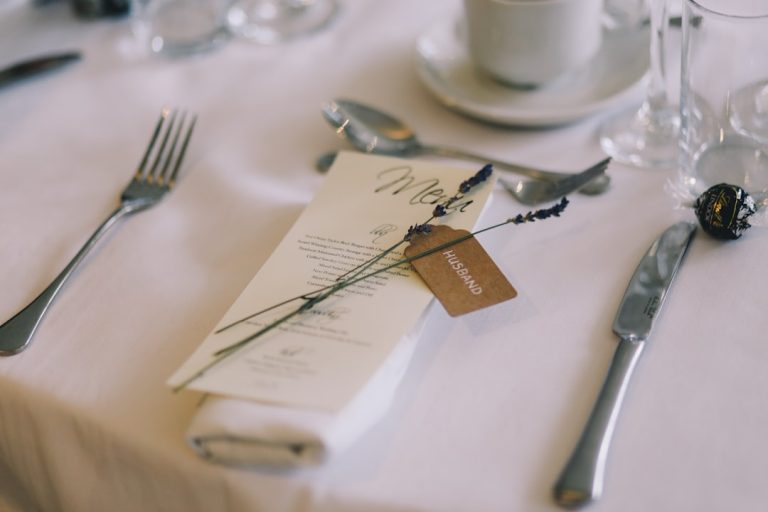
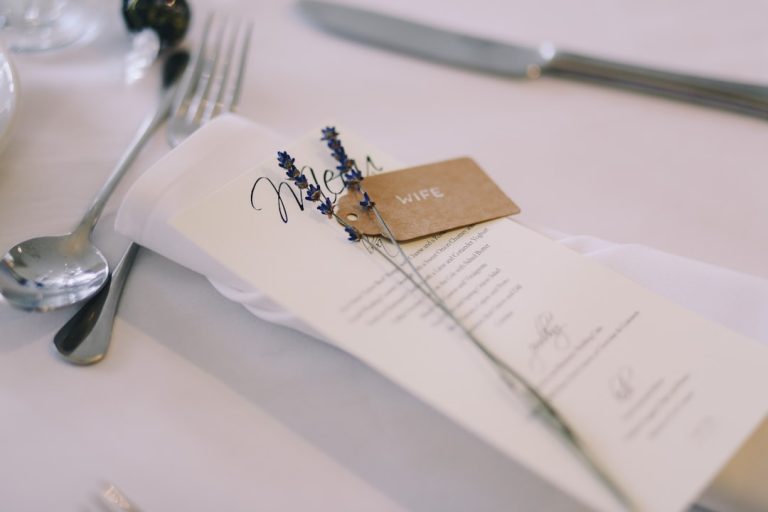
- On-the-Day Elements: Ensure your signage, menus, place cards, favor tags, and even personalized cocktails align with your brand’s aesthetic.
- Photography: Even your choice of photographer should align with your branding; look for one whose style complements your desired aesthetic.
Budgeting for Bespoke Branding Elements
Investing in custom wedding branding elements is an investment in the overall guest experience and your personal legacy.
Consider:
- Prioritize: Decide which elements are most important to you (e.g., custom stationery, unique signage) and allocate your budget accordingly.
- Get Quotes: Obtain detailed quotes from designers and printers, understanding that bespoke work involves specialized skills and materials.
- Consider DIY for Minor Elements: For smaller, less formal items, you might consider DIY elements that still align with your brand, saving on costs where appropriate.
Expert Insights: Elevating Your Luxury Wedding Branding Design
For those aiming for a truly high-end, luxury experience, modern wedding branding becomes an art form, focusing on subtle sophistication and unparalleled attention to detail.
The Subtlety of Luxury
Luxury branding isn’t about extravagance for its own sake; it’s about refined taste, exquisite quality, and an understated elegance.
Key aspects include:
- Understated Palette: Often, luxury brands utilize a more subdued color palette, relying on the quality of materials and expert craftsmanship to convey opulence.
- Premium Materials: Think thick, custom-made paper, hand-calligraphed envelopes, bespoke letterpress printing, or fine linen textures for signage.
- Refined Typography: Elegant wedding font pairings that exude sophistication without being overly ornate.
- Limited Edition Feel: Creating an exclusive feel, perhaps through numbered invitations or a small, intimate guest list.
Digital Brand Extensions
In 2026, luxury wedding branding seamlessly integrates digital touchpoints, offering a polished experience online as well as offline.
Consider:
- Custom Wedding Website: A beautifully designed, mobile-responsive website that acts as the central hub for all wedding information, reflecting the exact aesthetic of your physical stationery.
- Digital RSVPs & Communication: Streamlined digital processes that are as elegant and on-brand as their physical counterparts.
- Curated Content: Sharing engagement photos or a ‘how we met’ story on your website in a way that reinforces your personalized wedding logos and overall brand.
Real Wedding Inspiration: Case Studies in Modern Branding
Let’s look at how two hypothetical couples embraced modern branding to create distinct and memorable celebrations. These contemporary wedding branding ideas showcase diverse approaches.
The Minimalist Elegance Brand: Amelia & Ben
Amelia and Ben envisioned a wedding that was sleek, sophisticated, and understated. Their minimalist wedding branding focused on clean lines, a refined color palette, and impactful typography.
- Color Palette: A serene combination of off-white, dove grey, and a subtle touch of sage green.
- Typography: A classic, highly legible serif font for body text, paired with a modern, elegant sans-serif for emphasis.
- Logo: A simple, interlocking monogram of their first initials, crafted with a contemporary, geometric feel.
- Stationery: Heavy, uncoated cardstock with blind debossing for their logo, minimalist layouts, and a single silk ribbon accent.
- On-the-Day: Clear acrylic signage with white lettering, simple white floral arrangements with abundant greenery, and understated table settings that highlighted the quality of the china and glassware. The overall effect was one of tranquil luxury.
The Bold & Artistic Narrative: Chloe & David
Chloe and David, both artists, wanted their wedding to be a vibrant expression of their creative spirits and shared love for travel. Their brand was bold, colorful, and infused with personal touches.
- Color Palette: A rich jewel-toned palette featuring emerald green, deep sapphire, and accents of mustard yellow and blush.
- Typography: A playful yet sophisticated handwritten script for headlines, paired with a clean, contemporary sans-serif for readability.
- Logo: A custom illustration depicting a stylized globe intertwined with a paintbrush and a camera, reflecting their passions.
- Stationery: Digitally printed invitations on textured paper, featuring elements of their custom illustration and a vibrant watercolor wash.
- On-the-Day: Hand-painted signage, custom cocktail napkins with their logo, tables named after cities they had visited, and floral arrangements that exploded with color and texture. Their wedding was a feast for the eyes, full of personality and unique flair.
Key Takeaways for Brides Embracing Modern Branding
For brides navigating the exciting world of wedding planning, understanding modern branding principles can transform your day into an unforgettable experience.
Your Wedding, Your Story
Remember that your wedding brand is ultimately a reflection of you and your partner. Don’t feel pressured to conform to trends that don’t resonate. Embrace your unique story, your shared passions, and your individual styles. The most successful modern wedding brands are those that are authentically personal.
Invest in Professional Guidance
While the vision is yours, bringing it to life beautifully often requires the expertise of professionals. A talented graphic designer, wedding planner, or stationer who specializes in custom wedding stationery can translate your ideas into a cohesive and stunning brand identity. Their experience will ensure that your personalized wedding logos, unique wedding typography, and overall aesthetic are executed flawlessly.
The Pillars of Your Wedding Brand: Logos, Typography, Invitations & Signage
A truly effective wedding brand hinges on the careful curation and consistent application of its core elements. These foundational pillars ensure a memorable and cohesive aesthetic.
- Logos: More than just initials, your wedding logo is a visual shorthand for your partnership. Whether it’s an elegant monogram, a custom crest, or a unique graphic device, it should be versatile enough to appear subtly on everything from your save-the-dates to your parting gifts. It’s the ultimate personalized wedding logo.
- Typography: The fonts you choose set the tone. An elegant serif can convey timeless sophistication, while a modern sans-serif might lean into minimalist chic. Combining fonts effectively – perhaps a distinguished script for your names and a clean, legible font for details – creates hierarchy and visual interest. For exploring a wealth of options and finding the perfect elegant wedding font pairings, couples and designers can explore wedding typography resources at https://fonts.wedding. This platform offers an array of unique wedding typography choices to elevate your custom wedding stationery and signage.
- Invitations: Your wedding invitation suite is often the first physical touchpoint guests have with your wedding brand. It’s an opportunity to make a grand entrance, showcasing your color palette, typography, and logo. Every piece of custom wedding stationery – from the main invitation to the RSVP card, detail card, and envelope liners – should speak the same visual language, hinting at the style and mood of the celebration to come.
- Signage: On the day of the wedding, signage plays a crucial role in both aesthetics and guest experience. Welcome signs, seating charts, bar menus, and directional signs are all opportunities to reinforce your brand. Consistency in font, color, and design across all wedding signage fonts not only looks polished but also helps guests navigate the event seamlessly, tying together the entire cohesive wedding aesthetics.
FAQ: Your Questions on Modern Wedding Branding Answered
What are the key elements of modern wedding branding?
The key elements of modern wedding branding include a cohesive color palette, unique wedding typography, a personalized wedding logo, custom stationery, and consistent design across all physical and digital touchpoints (signage, website, favors). It’s about creating a unified visual identity that tells your story.
How early should I start planning my wedding brand?
You should start planning your wedding brand as one of the very first steps, ideally 10-14 months before your wedding date. This allows your brand identity to inform crucial decisions like venue selection, color schemes, and working with your stationery designer, ensuring a cohesive wedding aesthetics from the outset.
Can minimalist wedding branding still feel luxurious?
Absolutely. Minimalist wedding branding often exudes luxury through its focus on quality materials, impeccable craftsmanship, and subtle, refined details. By stripping away excess, it highlights the elegance of bespoke elements like letterpress printing, fine paper, and sophisticated font pairings, creating a high-end, understated feel.
How do I ensure my wedding branding is cohesive across all elements?
To ensure cohesion, develop a clear brand guideline document (even if informal) including your color palette (with HEX codes), selected fonts, and logo files. Share this with all your vendors (planner, stationer, florist, etc.) and ensure they understand your vision. Regular check-ins and mock-ups will help maintain consistency.
What role does custom wedding stationery play in modern branding?
Custom wedding stationery is paramount in modern branding as it’s often the first physical manifestation of your wedding’s identity. It introduces your chosen aesthetic – your colors, fonts, and logo – and sets the tone for the entire event. It’s an opportunity to convey personality, formality, and unique details through design, materials, and printing techniques.
![[Visual Inspiration]](https://images.pexels.com/photos/9735624/pexels-photo-9735624.jpeg)
![[Visual Inspiration]](https://images.pexels.com/photos/7178051/pexels-photo-7178051.jpeg)