Top 10 Wedding Font Pairings for Talent Acquisition Pros

Top 10 Timeless Wedding Font Pairings for Elegant Invitations
Estimated reading time: 7 minutes
- Choosing the right typography sets the tone
- Fonts can influence first impressions
- Pairings work across various styles
- Test your typography choices before printing
- Leverage modern tools for better design outcomes
Table of Contents
- Why fonts matter for weddings
- Top 10 timeless font pairings
- How to choose a pairing that fits your wedding theme
- Technical and practical tips for invitations and stationery
- Using AI and consulting to streamline typography choices
- Practical checklist for brides and planners
- Examples of matching type to wedding themes
- Common pitfalls and how to avoid them
- How our wedding design consulting helps
- Resource: start your designs and download fonts
- Video resource
- Final practical takeaways
- Next steps
Why fonts matter for weddings
Fonts act like a voice for your wedding — soft and flowing, bold and modern, or charmingly vintage. They influence guests’ first impressions, readability of important details (date, time, venue), and the overall brand of your celebration. Typography choices also impact consistency across print and digital materials: from your wedding website to RSVP cards and place cards. As consultants and wedding design specialists, we help clients translate their wedding concept into a visual system that includes a primary display font, supporting body fonts, logos or monograms, and pairing rules that simplify decisions.
Top 10 timeless font pairings (and how to use them)
Below are ten tested pairings that work across styles. Each pairing includes where to use it (invitations, envelopes, menus, signage), why it works, and quick tips.
- Elegant Script + Classic Serif
- Example pairing: A refined calligraphy script with a Garamond-style serif.
- Use: Invitations’ names and headline, with serif for event details.
- Why it works: The script conveys romance and elegance; the serif keeps small details readable.
- Tip: Keep script size large for legibility; use serif at 9–11pt for body text.
- Modern Sans + Light Script
- Example pairing: Geometric sans (e.g., Futura/Gotham-like) + delicate script accent.
- Use: Minimalist invitations, modern wedding logos, signage.
- Why it works: Sans gives a contemporary foundation; the light script adds femininity without clutter.
- Tip: Use generous spacing and plenty of white space for a luxe modern look.
- Vintage Serif + Ornamental Script
- Example pairing: A high-contrast vintage serif + flourish script.
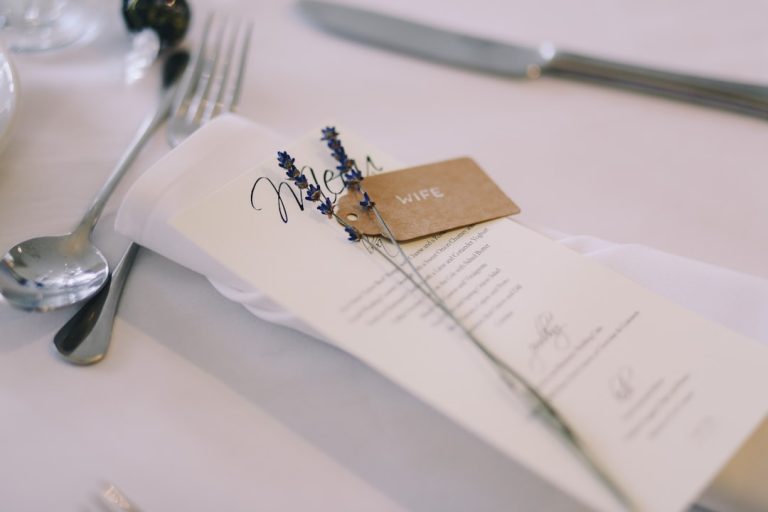
- Use: Vintage garden weddings, program covers, menus.
- Why it works: Evokes classic printed ephemera from the past; great for period aesthetics.
- Tip: Avoid overusing flourishes; reserve them for headlines and monograms.
- Rustic Handwritten + Slab Serif
- Example pairing: Casual hand-lettered font + sturdy slab serif.
- Use: Rustic invitations, signage, place cards.
- Why it works: Balanced contrast between organic and grounded; perfect for barn and boho themes.
- Tip: Textured paper complements this pairing beautifully.
- High-contrast Display + Neutral Sans
- Example pairing: Decorative display type for headings + neutral sans for body.
- Use: Destination weddings and luxe invitations where visual impact matters.
- Why it works: Strong headings draw attention; neutral sans maintains readability.
- Tip: Keep display type to the invitation header or couple’s names.
- Elegant Serif + Geometric Sans
- Example pairing: Transitional serif (e.g., Baskerville-esque) + geometric sans.
- Use: Classic weddings with a modern twist, programs, RSVP cards.
- Why it works: Timeless with a contemporary sensibility.
- Tip: Use serif for long-form copy; sans for small caps and metadata (date, venue).
- Hand-drawn Serif + Script Accent
- Example pairing: A slightly irregular hand-drawn serif + complementary script.
- Use: Intimate backyard weddings, bridal shower invites.
- Why it works: Feels personal and handcrafted.
- Tip: Use ink colors that mimic hand-printed work (ivory, soft black, sepia).
- Monoline Script + Humanist Sans
- Example pairing: Clean monoline script + friendly humanist sans.
- Use: Beach or casual weddings, welcome signs.
- Why it works: Relaxed but stylish; legible across formats.
- Tip: Use line weights that contrast but don’t fight for attention.
- Art Deco Display + Minimal Serif
- Example pairing: Deco display type + minimal serif for details.
- Use: Art-deco or 1920s themed weddings, save-the-dates.
- Why it works: Strong era-specific character with balance from the serif.
- Tip: Use metallic ink or foil for authentic period flair.
- Script Monogram + Neutral Body Font
- Example pairing: Luxurious intertwined monogram script + clean body type (serif or sans).
- Use: Wedding logo/monogram, wax seals, invitation headers.
- Why it works: A monogram serves as a signature motif; neutral body text keeps the message clear.
- Tip: Create vector versions of your monogram for signage and digital use.
How to choose a pairing that fits your wedding theme
- Start with mood and season: Is your wedding formal or casual? Summer beach vs. winter ballroom? Match typographic tone to mood.
- Think about surface and finish: Letterpress favors deeper ink and sturdy fonts; foil works with high-contrast displays.
- Prioritize legibility for essential details: No matter how pretty a script is, key details must be easy to read.
- Limit your palette: Use a primary display font, a secondary supporting font, and (optionally) a third accent for monograms or logos.
- Test in context: Print a mockup, check web display, and view at RSVP-card size.
Technical and practical tips for invitations and stationery
- Font size and hierarchy: Names or headline script at 24–40pt depending on type; venue, date details at 9–12pt. Headline vs body contrast should be clear.
- Line spacing (leading): For scripts and display fonts, slightly increase leading to avoid collisions. For body text, use 120–145% of the font size.
- Tracking and kerning: Tighten tracking on all-caps sans headings; adjust kerning for script flourishes near punctuation.
- Color contrast: Ensure sufficient contrast against background for readability; test black text on colored paper and vice versa.
- File formats and embedding: For print-ready PDFs, convert fonts to outlines when using exotic scripts or ensure font licensing allows embedding. For web, use WOFF/WOFF2 or system-safe fallbacks.
- Accessibility: For your wedding website, use accessible font sizes and high-contrast color combos. Include plain-text event details for screen readers.
- Licensing: Always check font licenses for commercial use if you plan to distribute or sell stationery or include fonts in downloadable PDFs.
Using AI and consulting to streamline typography choices
- AI-powered mood boards: Upload photos of your venue and color palette; AI suggests matching font pairings and color combos tailored to your theme.
- Automated mockups: Create invitation mockups for envelopes, RSVPs, and signage. AI helps visualize scale and texture.
- A/B testing: Run two type-pairing versions on your wedding website or email invites and track which design gets better RSVP conversions.
- Our consulting approach: We combine expert design sensibility with AI tools to present 3 curated typographic systems (conservative, bold, and bespoke) so clients can preview invitations, monograms, and signage before committing.
Practical checklist for brides and planners (actionable steps)
- Define your wedding tone in one sentence (e.g., “Rustic, intimate, sustainable farmhouse wedding”). Use that sentence to guide typography.
- Choose one display font and one body font. If you want an accent, select a script or decorative display as the third.
- Create a sample invitation layout and print a physical proof on your chosen paper stock.
- Test legibility at RSVP size (about 3.5” x 5”) and on mobile (for digital invites).
- Export a print-ready PDF with fonts embedded or converted to outlines, and keep a backup in case printers request it.
- Create a vector-based wedding logo or monogram for scalable use across signage, printed goods, and social media.
- If DIY printing, buy extended licenses where needed and check color profiles (CMYK vs. spot colors).
- Use our downloadable starter sets at https://fonts.wedding to try curated wedding fonts and premade monograms.
Examples of matching type to wedding themes
- Rustic wedding: Handwritten font + slab serif on recycled paper with kraft envelopes.
- Modern city wedding: Geometric sans + understated script on heavy matte paper.
- Vintage garden: High-contrast serif + ornamental script, gold foil details.
- Beach wedding: Monoline script + humanist sans on linen-textured stock.
Common pitfalls and how to avoid them
- Pitfall: Choosing only beautiful fonts without testing legibility. Fix: Always print a proof.
- Pitfall: Using too many fonts (more than three). Fix: Stick to 2–3 and assign roles.
- Pitfall: Over-relying on decorative scripts for small details. Fix: Reserve scripts for large names or headers.
- Pitfall: Not checking licenses for commercial use. Fix: Purchase appropriate licenses, especially for shared designs or templates.
How our wedding design consulting helps
- We help couples and planners by:
- Curating font systems and creating polished mockups for invitations, menus, signage, and websites.
- Generating vector monograms and logos that reflect your identity and scale across formats.
- Using AI tools to accelerate mood boarding and font pairing while maintaining human design oversight.
- Managing file deliverables for printers: CMYK color specs, bleed settings, font embedding, and final PDF optimization.
Resource: start your designs and download fonts
For brides and planners who want to experiment, we’ve curated downloadable font kits and monogram templates at https://fonts.wedding. These kits include suggested pairings for rustic, modern, and vintage themes, plus ready-made logos you can personalize. Use the assets to speed up decisions and create consistent visual branding across all stationery.
Video resource
Watch our video resource here.
Final practical takeaways
- Identify your wedding’s personality first; typography is the language that communicates it.
- Limit fonts to 2–3 with clear roles (display/title, body, accent).
- Prioritize legibility for essential details and test at scale (print and mobile).
- Use texture, ink, and finishes intentionally — typography interacts with paper and print technique.
- Leverage modern AI tools and expert consulting to get curated options faster and test mockups before booking large print runs.
Next steps
Ready to see curated wedding font pairings tailored to your vision? Explore our font kits, download monogram templates, and book a short consultation to preview 3 custom invitation mockups. Visit https://fonts.wedding to start downloading fonts and design assets today. Let’s translate your wedding vision into beautiful, readable typography that guests will remember.