Essential Wedding Fonts Guide for Talent Acquisition

Top 10 Timeless Wedding Fonts and How to Use Them in Your Invitations
Estimated reading time: 7 minutes
- Choosing the right wedding fonts can enhance the overall elegance of your invitations.
- This guide offers insights on how to create cohesive, beautiful wedding stationery.
- Learn about the top 10 wedding fonts and tips for pairing and typographic hierarchy.
- Discover practical considerations for print and digital invitations, including AI tools.
- Utilize a checklist to finalize your wedding stationery effectively.
Table of Contents
- Why wedding fonts matter
- Top 10 timeless wedding fonts (and where to use them)
- How to pair fonts effectively
- Practical typography tips for invitations
- Printing and material considerations
- Digital invitations and wedding websites
- Common mistakes and how to avoid them
- How AI and expert consulting can help
- Actionable checklist for brides and planners
- Design ideas by wedding theme
- How this relates to wedding services we offer
- Practical takeaways for women planning their wedding
- Where to get the fonts and design assets
- Ready to refine your wedding look?
- Final thought
Why wedding fonts matter
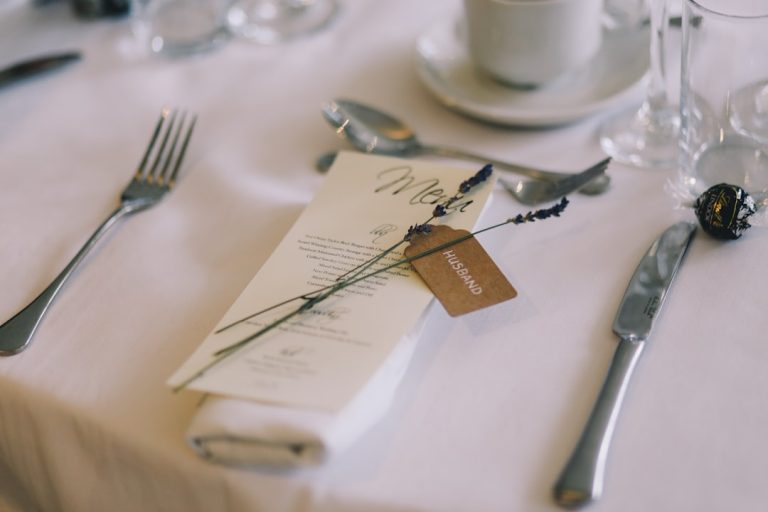
Typography sets tone. A flowing calligraphy font signals romance and formality; a clean sans-serif suggests modern minimalism. Wedding fonts are a vital part of your visual identity, accompanying elements like color palettes and florals. They should align with your wedding theme and maintain consistency across all stationery such as invitations, RSVPs, and signage.
Top 10 timeless wedding fonts (and where to use them)
Here are versatile font picks that work across styles, including recommended use cases and pairing suggestions:
- Bickham Script (or similar formal script)
– Why it works: Classic, ornate calligraphy perfect for formal invitations.
– Use: Names on invitation, headings on ceremony programs, monograms.
– Pair with: A clean serif like Garamond or modern sans like Futura for body text. - Didot
– Why it works: Elegant high-contrast serif ideal for sophisticated, fashion-forward weddings.
– Use: Titles, RSVP cards, wedding logos for elegant wedding themes.
– Pair with: A soft script for a feminine touch or a simple sans for modern balance. - Garamond
– Why it works: Timeless serif with excellent readability; great for long blocks of text.
– Use: Invitation body copy, information cards, menus.
– Pair with: Script names or an understated sans-serif for labels. - Playfair Display
– Why it works: Transitional serif with a modern editorial feel.
– Use: Headings on websites and stationery; excellent for bridal shower invites and programs.
– Pair with: A neutral sans-serif like Lato for body text. - Futura (or Avenir)
– Why it works: Geometric sans-serifs that read modern and clean—great for minimalist weddings.
– Use: Save-the-dates, map details, rehearsal dinner invites.
– Pair with: A delicate script for names or a classic serif for contrast. - Copperplate
– Why it works: Formal but slightly more structured than flowing scripts; great for printed letterpress.
– Use: Envelope addressing, place cards, signage.
– Pair with: Garamond or Didot for a refined look. - Tangerine (or a light calligraphic script)
– Why it works: Charming, legible handwriting-style script for romantic, vintage, or garden weddings.
– Use: Secondary headings, italics for emphasis, RSVP prompts.
– Pair with: A readable serif or sans for body text. - Montserrat
– Why it works: Friendly, contemporary sans with great web performance—useful for wedding websites and digital invites.
– Use: Website headings, timeline text, RSVP buttons.
– Pair with: Playfair Display or a script for contrast. - Sabon (or Bembo)
– Why it works: Classic book serifs with an elegant feel and strong readability.
– Use: Program copy, menus, and longer text pieces.
– Pair with: A light script name treatment or a modern sans. - Brush Script (modern brush style)
– Why it works: Casual but stylish—perfect for laid-back, boho, or beach weddings.
– Use: Day-of signage, welcome signs, rehearsal dinner invitations.
– Pair with: Simple sans-serifs like Open Sans to maintain readability.
How to pair fonts effectively
Good font pairing creates a visual hierarchy for easy reading. Here are some rules to follow:
- Limit yourself to 2–3 fonts: a display font (script or decorative), a primary text font (serif or sans), and an optional accent font for tiny details.
- Contrast is key: pair a script with a clean serif/sans. Avoid pairing two elaborate scripts.
- Use scale to show hierarchy: larger script for names, readable serif for event details, smaller sans-serif for logistics.
- Maintain consistency: use the same font pairing across all stationery for a cohesive brand.
Practical typography tips for invitations
- Readability first: Ensure important logistics on the primary invitation are legible.
- Kerning and leading: Adjust letter and line spacing in design software to improve legibility.
- Color contrast: Ensure sufficient contrast between text and background. Test prints are essential.
- Font licensing: Confirm licensing terms for commercial printing before use.
- File formats: Use web-safe fonts for digital or convert text to outlines for print.
Printing and material considerations
- Paper texture affects readability: Rough papers may obscure fine script; select slightly heavier paper for clarity.
- Letterpress and foil: High-contrast fonts translate better for specialty printing.
- Ink colors: Pair metallic inks with dark printed body text for maximum legibility.
Digital invitations and wedding websites
As digital invites grow in popularity, for web consider:
- Using web-safe or hosted fonts (like Google Fonts) to maintain brand consistency.
- Ensuring color contrast meets accessibility standards (WCAG AA as a baseline).
- Implementing responsive design to scale headings appropriately for mobile.
- Incorporating animation carefully, ensuring it doesn’t hinder loading times.
Common mistakes and how to avoid them
- Over-styling: Too many fonts or decorative elements clutter invitations.
- Ignoring the audience: Consider the age of your guests for legibility.
- Skipping scale tests: Always print a 1:1 proof before final ordering.
- Not coordinating with vendors: Ensure fonts harmonize across all visual elements.
How AI and expert consulting can help
Modern tools can enhance the design process:
- Automated font pairing: AI can suggest complementary fonts based on your theme.
- Visual mockups: Preview invitations across different formats and textures.
- Personalized stationery: AI can create multiple headline variations for your names.
- Workflow efficiency: A consultant with AI expertise can integrate these tools into planning.
Actionable checklist for brides and planners
- Define your wedding mood in one sentence (e.g., “Romantic garden with modern accents”).
- Choose a display font for names or headings (script or decorative).
- Select a body font for details (serif or sans) and an optional accent font.
- Create a simple mockup: names at intended size and RSVP paragraph.
- Print a proof to test legibility and color contrast.
- Confirm font licensing for commercial printing and web use.
- Provide final font files or convert text to outlines for printers.
- Coordinate with your calligrapher to ensure style matches.
- Check accessibility on your wedding website.
- Save versions for different wedding events.
Design ideas by wedding theme
- Rustic wedding: Use Garamond with a casual brush script on kraft paper.
- Modern wedding: Combine Didot or Playfair Display with Montserrat for minimalist layouts.
- Boho wedding: Pair a textured brush script with a readable serif in earthy palettes.
- Elegant wedding: Opt for Bickham-style script and Didot paired with refined body text.
How this relates to wedding services we offer
Our wedding planning services focus on typography as a core part of your visual identity. We assist with:
- Developing a wedding logo and monogram with curated fonts.
- Creating stationery suites (invitations, RSVPs, menus).
- Coordinating with printers and calligraphers for stylistic harmony.
- Building wedding websites with consistent typography.
- Applying AI tools for optimal font pairings and designs.
Practical takeaways for women planning their wedding
- Prioritize legibility: Ensure vital details are easy to read.
- Keep it consistent: Use the same font pairings across all signage and stationery.
- Test in real life: Print proofs to check readability and compatibility.
- Use modern tools: Let AI streamline your design process while keeping personal touches.
- Protect yourself with licenses: Confirm font licensing to avoid future issues.
Where to get the fonts and design assets
Looking for curated wedding fonts and design templates? Explore fonts.wedding for tailored design assets.
Ready to refine your wedding look?
If you’re finalizing your invitations or building a wedding brand, our team can assist with choosing fonts and cohesive design. Explore our services or download assets at fonts.wedding.
Final thought
Typography plays a vital role in your wedding’s visual identity. This guide provides a foundation for choosing and pairing fonts to ensure your invitations are both beautiful and functional. With careful selection of fonts and cohesive design, your wedding stationery will convey the perfect tone right from the moment guests see the envelope.
Frequently Asked Questions
1. How do I choose the right font for my wedding invitations?
Consider your wedding theme, the tone you want to convey, and ensure the font is readable. Pair a decorative font for names with a simpler font for the body text.
2. Are there free fonts I can use for my wedding?
Yes, there are many free fonts available online, but make sure to check their licensing terms for commercial use in invitations.
3. Can I use multiple fonts in my invitations?
It’s best to limit your choices to 2-3 fonts to maintain a cohesive look. Too many fonts can create clutter.
4. How important is readability in wedding fonts?
Very important, especially for key details like dates and locations. Choose fonts that ensure guests can easily read the necessary information.
5. Should I test my invitations before printing?
Absolutely. Printed proofs allow you to check for readability, color contrast, and overall design before the final order.