Romantic Wedding Branding and Fonts for 2026
The Art of Bespoke Wedding Branding: Crafting Your Unforgettable 2026 Love Story with Hyper-Personalized Typography
Estimated reading time: 8 minutes
Key takeaways:
- Bespoke wedding branding is essential for a unique and memorable celebration.
- Your wedding visual identity should reflect personal stories and values.
- 2026 font trends emphasize personalization and emotional resonance.
- Sustainable choices are becoming increasingly important in wedding branding.
- AI tools are valuable for assisting in the design process while retaining personal touches.
Table of contents:
Why Bespoke Branding is Non-Negotiable for 2026 Weddings
The modern couple, particularly our discerning brides and visionary female wedding planners, demands authenticity and a narrative that reflects their individual journey. In 2026, with attention spans shorter and digital noise louder than ever, a strong, unified wedding brand cuts through the clutter, clearly communicating your style, values, and personality long before guests arrive. Think of your wedding brand as your personal “design language”—a comprehensive system of colors, fonts, motifs, and imagery that speaks volumes without uttering a single word.
This integrated approach ensures every element, from your Save-the-Dates to your reception signage, feels intrinsically linked, building anticipation and a sense of wonder. For creative entrepreneurs in the wedding space, understanding and offering personalized wedding branding 2026 solutions is no longer a niche service; it’s a fundamental expectation. It allows for a fluidity and flexibility that can adapt across traditional and digital touchpoints, crucial for a generation that lives both online and off.
Decoding the Elements of Your Wedding Visual Identity
A truly impactful wedding visual identity guide goes far beyond picking a pretty color. It involves a strategic selection of components that harmoniously collaborate to tell your story.
The Power of Your Wedding Logo: More Than Just Monograms
While monograms remain a classic, the custom wedding logos of 2026 are evolving into sophisticated, narrative-driven emblems. These are not just interlocked initials; they are unique symbols or logotypes that encapsulate your journey, interests, or shared dreams. Imagine a logo that subtly incorporates elements from your proposal location, a shared hobby, or even a cherished pet. Designers are using abstract shapes, custom illustrations, and thoughtful typography to create marks that are both elegant and deeply personal. A well-designed logo becomes the anchor of your entire brand, appearing on everything from wax seals to digital projections.
Typography as Storyteller: 2026 Wedding Font Trends
The fonts you choose are arguably the most potent, yet often underestimated, element of your wedding brand. They convey tone, evoke emotion, and establish character. In 2026, how to choose wedding typography is about more than aesthetics; it’s about finding voices that articulate your essence.
We’re seeing a fascinating blend of trends:
- Neo-Classical Serifs: Classic serif fonts are getting a modern refresh with subtle quirks, elegant ligatures, and expanded character sets, offering a timeless yet contemporary feel. They exude sophistication and heritage.
- Artisanal Scripts: Far from the overly flourished scripts of the past, 2026 favors handwritten and bespoke script fonts that feel genuinely organic and personal, often mimicking a calligrapher’s unique hand. Think expressive rather than just decorative.
- Clean, Modern Sans-Serifs: For couples embracing a minimalist or “Quiet Luxury” aesthetic, sans-serifs with excellent readability and geometric precision provide a beautiful contrast or a primary voice for information-heavy elements.
- Variable Fonts: A burgeoning trend, variable fonts offer unprecedented flexibility, allowing designers to adjust weight, width, and other parameters within a single font file. This means unparalleled customization for your brand.
When exploring the vast world of typography, platforms like https://fonts.wedding offer curated collections of premium fonts and design elements, making it easier to discover the perfect combination to speak your story. Don’t be afraid to mix and match; a well-paired serif and script, or a bold sans-serif with a delicate display font, creates dynamic visual interest while maintaining cohesion.
Your Color Palette: Setting the Mood
Color is emotion, and your wedding color palette is the emotional foundation of your brand. Beyond simply picking two or three hues, 2026 palettes are nuanced, often featuring a primary color, a complementary secondary, and several accent shades that add depth and richness. Think about the mood you want to evoke: romantic and ethereal? Bold and dramatic? Serene and earthy?
- Earthy & Organic: Neutrals are evolving beyond beige into rich, textured tones inspired by nature – muted greens, terracotta, warm greys, and deep blues.
- Vibrant & Expressive: Bold, saturated colors are making a comeback for couples unafraid to make a statement, often paired with an unexpected metallic accent.
- Soft Pastels with Depth: Traditional pastels are being grounded with deeper, contrasting tones, preventing them from feeling saccharine.
Beyond Paper: Integrating Your Brand Across Every Touchpoint
Your brand isn’t confined to your stationery. Creating a cohesive wedding aesthetic means extending your visual identity to every single guest touchpoint.
- Digital Presence: Your wedding website, digital invitations, and social media announcements should perfectly mirror your physical stationery. Consistency here is paramount.
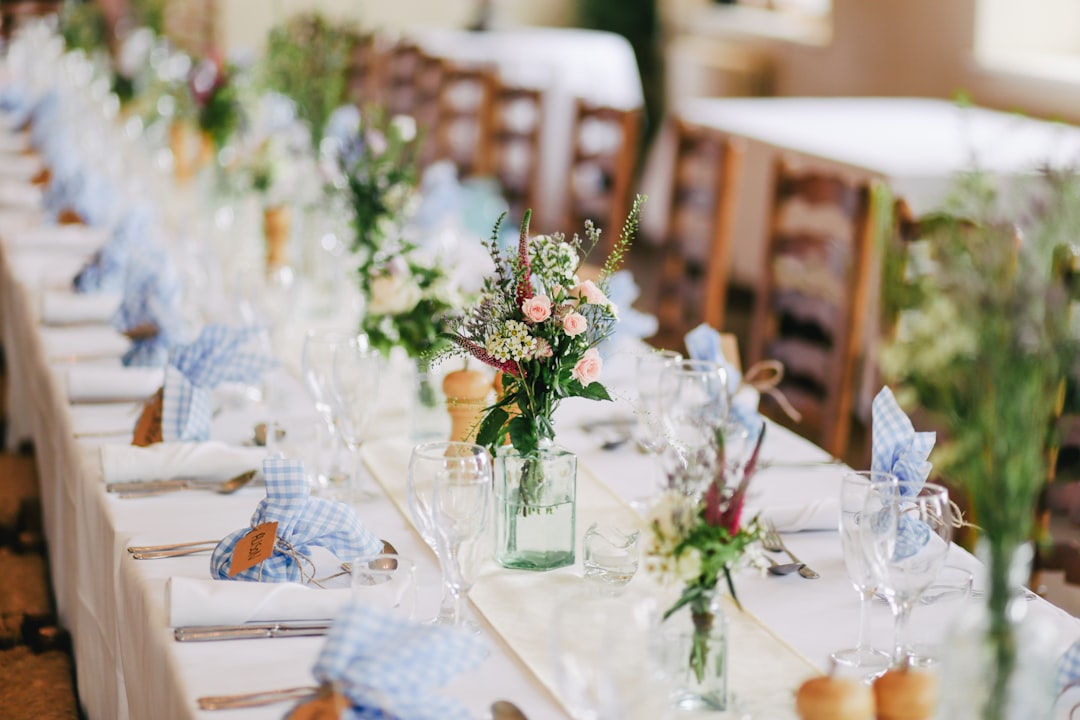
- Event Decor: From floral arrangements and lighting to table linens and favors, every decor element should subtly echo your chosen colors, fonts, and motifs.
- Attire & Accessories: Even elements of your bridal party’s attire, boutonnieres, or signature cocktails can subtly weave in your brand elements.
- Photography & Videography: Brief your creative team on your brand guidelines so they can capture the essence and consistency of your aesthetic.
Navigating the 2026 Wedding Branding Landscape
The world is changing, and so are weddings. Your branding strategy needs to reflect these shifts.
Sustainable & Ethical Branding Choices
With a heightened global consciousness, sustainable wedding branding ideas are at the forefront for many 2026 couples. This means:
- Recycled & Plantable Papers: Opting for papers made from recycled content or even seed paper that guests can plant.
- Digital-First Invitations: Minimizing paper waste by leveraging elegant digital invitations and wedding websites.
- Local & Ethical Sourcing: Choosing designers and printers who use sustainable practices and ethically sourced materials.
- Reusable Elements: Designing signage or decor elements that can be reused or repurposed after the wedding.
Digital Dominance: Crafting Your Online Presence
Your wedding website is often the first point of contact for many guests. It must be a seamless extension of your physical brand. Ensure your chosen fonts for wedding invitations 2026 are web-friendly and consistent across your digital platforms. High-quality imagery, interactive maps, and a clear RSVP system are all part of a robust digital brand experience. Think about creating custom digital stamps or animated logos for your website that bring your brand to life online.
The Role of AI in Personalizing Your Brand
In 2026, AI is no longer a futuristic concept but a powerful design assistant. AI-powered tools can help you generate initial mood boards, suggest color palettes based on your preferences, and even propose font pairings. Some advanced platforms can analyze your design inputs and create variations of custom wedding logos or patterns, speeding up the creative process and providing unprecedented levels of personalization. While AI assists, the human touch of a skilled designer remains crucial for infusing genuine emotion and unique narrative into your final brand.
Crafting Your Bespoke Brand: A Step-by-Step Guide
For the modern bride or planner, here’s how to embark on your branding journey:
- Define Your Story: What’s your unique narrative as a couple? What are your shared values, hobbies, and dreams? This is your brand’s foundation.
- Gather Inspiration: Create a mood board (physical or digital) with images, colors, textures, and typography that resonate with your desired aesthetic. Look beyond traditional wedding imagery.
- Select Your Core Elements: With your story in mind, choose your primary colors, a foundational font pairing (e.g., a serif for headlines, a sans-serif for body text, and a script for accents), and initial design motifs.
- Develop Your Logo: Work with a designer (or utilize intelligent design tools) to create a unique logo that encapsulates your brand essence.
- Create a Style Guide: This doesn’t have to be a formal corporate document, but a simple guide outlining your chosen fonts, color codes (HEX/RGB/CMYK), logo usage, and key imagery. Share this with all your vendors.
- Apply Consistently: From your initial Save-the-Dates to your thank-you notes, ensure every element adheres to your brand guide.
Final Touches: Ensuring Cohesion and Legacy
The beauty of bespoke wedding branding lies in its power to create a lasting impression. When executed thoughtfully, your cohesive wedding aesthetic becomes a treasured part of your wedding memories, immortalized in photographs, shared stories, and the elegant keepsakes guests take home. This depth of personalization transcends fleeting trends, establishing a timeless foundation for your married life. In 2026, a wedding is more than an event; it’s a meticulously branded experience, a true testament to the unique connection shared between two people. By embracing this philosophy, you’re not just planning a wedding; you’re building a legacy.
People Also Ask (FAQ)
Q1: What’s the biggest wedding branding trend for 2026?
A: The most significant trend for 2026 is hyper-personalization, focusing on deeply meaningful and unique visual identities that reflect the couple’s specific story, values, and aesthetics. This includes bespoke logos, custom typography, and integrated digital branding.
Q2: How far in advance should I start thinking about my wedding branding?
A: For a truly bespoke and cohesive brand, it’s recommended to start conceptualizing and designing your wedding branding 12 to 18 months before your wedding date. This allows ample time for design iterations, vendor coordination, and consistent application across all elements.
Q3: Do I really need a custom wedding logo, or is a monogram enough?
A: While monograms are classic, a custom wedding logo in 2026 offers a more narrative-driven and unique representation of your relationship. It goes beyond initials to incorporate unique symbols, illustrations, or logotypes that tell a deeper story, setting a more distinct tone for your entire event.
Q4: Can I use AI to help design my wedding brand?
A: Yes, in 2026, AI tools can be powerful assistants for wedding branding. They can help with mood board generation, color palette suggestions, and even initial design variations for logos and patterns, significantly speeding up the creative process. However, human designers remain essential for infusing genuine emotion and unique artistry.
Q5: Where can I find unique and trendy fonts for my 2026 wedding stationery?
A: For a wide selection of premium and on-trend fonts, including the latest 2026 wedding font trends and bespoke design elements, curated platforms like https://fonts.wedding offer extensive collections to help you find the perfect typography to tell your story.