Bespoke Wedding Fonts and Branding Psychology 2026

Beyond the Monogram: The Psychology of Bespoke Wedding Branding & Typography in 2026
Estimated reading time: 8 minutes
- Understanding the significance of bespoke wedding branding and typography.
- How personalization shapes the modern wedding narrative.
- The importance of custom wedding logos in 2026.
- Exploring the interplay between serif and sans-serif fonts for your wedding.
- Utilizing typography psychology to enhance emotional resonance.
Table of Contents
- The Rise of Personalization: Your Wedding, Your Narrative
- From Trends to Timelessness: Why “Custom Wedding Logos” Matter More Than Ever
- Decoding “Quiet Luxury” and “Hyper-Personalization” in 2026 Wedding Aesthetics
- The Subtlety of Style: How “2026 Wedding Font Trends” Reflect Sophistication
- The Unseen Language: “Wedding Typography Psychology” and Emotional Resonance
- Serif vs. Sans-Serif: Crafting the Right Mood with Your Typeface Choices
- Script & Display Fonts: Adding Whimsy, Elegance, or Boldness
- Beyond Paper: Applying Your “Wedding Visual Identity Guide” Across All Touchpoints
- “Personalized Wedding Stationery” and Digital Impressions
- Weaving Your Brand into Decor, Favors, and Online Presence
- Crafting Your Legacy: “How to Choose Wedding Fonts” for Lasting Impact
- Partnering with a Designer or DIY? Tools and Resources
- FAQs: Your Questions on Wedding Branding & Typography Answered
The Rise of Personalization: Your Wedding, Your Narrative
The era of one-size-fits-all weddings is firmly in the rearview mirror. Today’s couples, particularly modern brides and female planners, are demanding an experience that is truly their own. In 2026, this manifests as a profound desire for personalization that extends far beyond floral arrangements and menu choices, delving deep into the very essence of the event’s visual soul. It’s about crafting a singular narrative, a story told not just through vows and speeches, but through every visual touchpoint, from the save-the-date to the thank-you note.
This elevated focus on individuality is partly a response to the digital age, where everything can feel generic. A bespoke wedding provides an antidote, offering a tangible, curated experience. It’s an assertion of identity, a declaration of taste, and an intimate invitation into the couple’s world. The visual elements, especially your custom wedding logos and font choices, become the foundation of this narrative, acting as visual cues that subtly communicate your style, values, and shared journey. This approach ensures your wedding doesn’t just look beautiful, but feels authentically you, making it an emotional and aesthetic success.
From Trends to Timelessness: Why “Custom Wedding Logos” Matter More Than Ever
While 2026 sees certain trends come and go, the demand for custom wedding logos has solidified into a timeless necessity. No longer confined to the ultra-elite, a bespoke logo serves as the anchor of your entire wedding identity. It’s more than just an initial; it’s a symbolic representation of your union, a design element that can blend your personal aesthetics, intertwine your stories, and encapsulate the very essence of your future together.
In an age saturated with digital content, a unique logo provides instant recognition and a sense of refined polish. It moves beyond the fleeting trends, offering a personalized hallmark that can be carried forward long after the wedding day – perhaps into a new home, stationery, or even family heirlooms. This visual shorthand quickly conveys whether your celebration leans towards classic elegance, modern minimalism, playful whimsy, or rustic charm. It acts as a consistent brand mark across all your wedding assets, ensuring every element, from your digital invitations to physical signage, speaks the same sophisticated language. It’s an investment in the long-term emotional resonance of your marriage story.
Pro-Tip for Modern Brides:
To identify your unique wedding narrative and inform your branding:
- Reflect on your shared story: What moments define your relationship?
- Envision your future: What hopes and dreams do you share?
- Define your aesthetic: Are you drawn to classic, modern, bohemian, minimalist, or eclectic styles? Create a mood board.
- Consider your values: Do you prioritize sustainability, family, adventure, or understated luxury?
- Consult your partner: Ensure the narrative truly represents both of you.
Decoding “Quiet Luxury” and “Hyper-Personalization” in 2026 Wedding Aesthetics
The prevailing aesthetic for weddings in 2026 is a fascinating blend of “Quiet Luxury” and hyper-personalization. “Quiet Luxury,” a trend rooted in understated elegance, quality over ostentation, and subtle sophistication, is dominating the high-end wedding market. It’s about discernment, impeccable craftsmanship, and an inherent sense of calm luxury rather than overt display. This trend values authenticity, exclusivity, and a seamless flow of tasteful design.
Simultaneously, “hyper-personalization” ensures that even within the framework of quiet luxury, every detail speaks to the couple’s unique identity. It means that while the aesthetic might be refined and subtle, the underlying meaning and specific choices are deeply individual. This isn’t about being flashy; it’s about being profoundly you. The confluence of these two forces means that every element, especially typography and visual motifs, must be chosen with deliberate intention, reflecting a curated taste that is both universally appealing in its quality and distinctly individual in its expression. This creates an atmosphere that feels both incredibly luxurious and intimately personal.
The Subtlety of Style: How “2026 Wedding Font Trends” Reflect Sophistication
In the realm of “Quiet Luxury,” 2026 wedding font trends are gravitating towards refined elegance and legibility, often with a subtle twist that speaks to individual style. The days of overly ornate, difficult-to-read scripts for primary text are waning, replaced by a preference for sophisticated, high-quality typefaces that prioritize grace and clarity.
We’re seeing a strong lean towards modern serif fonts with delicate details, reflecting a nod to tradition while maintaining a fresh, contemporary feel. Think classic serifs with slightly elongated ascenders or descenders, or those with a subtle calligraphic touch that doesn’t overwhelm. Paired with these, clean, minimalist sans-serifs are popular for secondary text, offering contrast and ensuring readability, especially for digital displays.
For accents, display fonts with a unique, artistic flourish are in vogue, but they are used sparingly and strategically – perhaps for a monogram, a prominent heading, or a single impactful quote. The key is balance and restraint. These trends allow for personalization through subtle variations in weight, spacing, and the judicious pairing of contrasting yet harmonious typefaces. The goal is to create a visual harmony that feels effortlessly luxurious, reflecting a discerning eye and a deep appreciation for design.
The Unseen Language: “Wedding Typography Psychology” and Emotional Resonance
Typography is more than just lettering; it’s a powerful, often subconscious, communicator of emotion and tone. The “wedding typography psychology” behind your choices profoundly influences how your guests perceive your event, even before they’ve read a single word. Different typefaces carry distinct psychological associations, evoking feelings of formality, playfulness, elegance, modernity, or tradition. Understanding this unseen language allows you to intentionally craft an emotional landscape for your wedding, guiding your guests through your vision with every curve and line.
A bold, assertive sans-serif might convey a modern, confident celebration, while a delicate, flowing script could suggest romance and formality. The choice isn’t arbitrary; it’s a deliberate act of communication. It signals the type of experience your guests are about to embark on, influencing their expectations and shaping their memories. From the invitation suite to the signage and digital elements, consistent and thoughtful typography creates a cohesive psychological experience, reinforcing your chosen aesthetic and emotional tone.
Serif vs. Sans-Serif: Crafting the Right Mood with Your Typeface Choices
The foundational choice in wedding typography often comes down to the classic debate: serif vs. sans-serif. Each category carries its own unique psychological footprint and contributes distinctly to the overall mood of your celebration.
- Serif Fonts: These are characterized by the small decorative strokes (serifs) at the end of some character strokes. Historically associated with classic literature and traditional print, serifs often evoke feelings of tradition, elegance, formality, and trustworthiness. They can lend a sense of history, gravitas, and timeless beauty. In 2026, refined serifs with a modern edge are highly sought after for creating a sophisticated and enduring aesthetic, perfect for couples aiming for a “Quiet Luxury” feel or a classic, romantic wedding. They are excellent for main headings and formal text where you want to convey established beauty.
- Sans-Serif Fonts: Meaning “without serifs,” these fonts have clean, unadorned lines. They are generally perceived as modern, minimalist, clean, approachable, and highly legible, especially on digital screens. Sans-serifs excel at conveying a contemporary, fresh, and sometimes understated aesthetic. For minimalist weddings, urban chic events, or designs prioritizing clarity and simplicity, a well-chosen sans-serif can be incredibly effective. They are often used for body text, subheadings, and digital communications where directness and clarity are paramount.
The interplay between these two categories is where the magic happens. A harmonious pairing – perhaps a classic serif for a header to convey elegance, balanced by a clean sans-serif for body text to ensure modern readability – can create a dynamic yet sophisticated visual rhythm, perfectly capturing your desired mood.
Script & Display Fonts: Adding Whimsy, Elegance, or Boldness
Beyond the foundational serif and sans-serif choices, script and display fonts offer opportunities to inject personality, artistry, and emotional depth into your wedding branding.
- Script Fonts: Mimicking handwriting, script fonts are inherently romantic, elegant, and personal. They can range from formal, flowing calligraphic styles to playful, whimsical handwritten looks. A beautiful script can evoke a sense of intimacy, luxury, and warmth, making it ideal for names, short quotes, or signature elements that require a touch of artistry. In 2026, delicate and refined scripts that are still legible are preferred over overly intricate ones, ensuring elegance without sacrificing clarity.
- Display Fonts: These are designed for impact and are typically used for headlines, logos, or other short, attention-grabbing text. Display fonts are where you can truly let your creative personality shine, offering options that are bold, unique, whimsical, artistic, or even retro. They are meant to make a statement and can infuse a strong sense of character or theme into your branding.
The key to using script and display fonts effectively is moderation. They are best employed as accents, carefully chosen to complement your primary serif and sans-serif choices. Overuse can lead to a cluttered or overwhelming design. When used thoughtfully, they can elevate your entire visual identity, adding layers of charm, sophistication, or playful energy.
For an unparalleled selection of premium, high-quality fonts tailored to every aesthetic, many couples and designers turn to curated libraries like those found at https://fonts.wedding. Their extensive collection ensures you’ll find the perfect blend of tradition, trend, and distinctiveness to articulate your unique love story.
Beyond Paper: Applying Your “Wedding Visual Identity Guide” Across All Touchpoints
A truly successful wedding brand extends far beyond the paper goods. Your “wedding visual identity guide” – encompassing your logo, typography, color palette, and key motifs – should be a living document, informing every single touchpoint of your celebration. In 2026, consistency is paramount for creating an immersive and memorable experience, blurring the lines between physical and digital, and ensuring a cohesive aesthetic that tells your story flawlessly.
This holistic approach means your branding needs to be adaptable across various mediums, from the smallest favor tag to the largest backdrop. It creates a powerful sense of intentionality and luxury, making guests feel fully enveloped in your unique world. When every detail, however small, echoes your central theme and aesthetic, it amplifies the emotional impact and reinforces the bespoke nature of your event. This meticulous planning is the hallmark of a truly branded wedding, leaving a lasting impression of sophisticated thoughtfulness.
“Personalized Wedding Stationery” and Digital Impressions
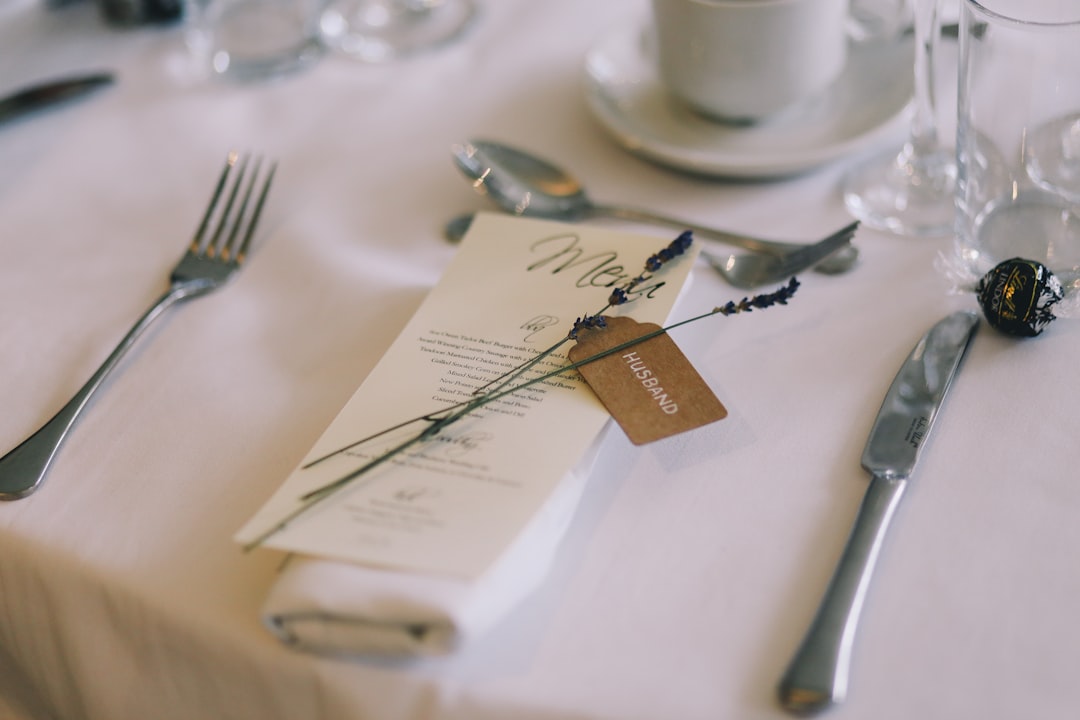
Your stationery suite is often the first tangible glimpse guests get of your wedding’s personality, and in 2026, personalized wedding stationery continues to be a cornerstone of bespoke branding. This goes beyond just names and dates; it’s about incorporating your custom logo, specific font pairings, and color palette into every element: save-the-dates, invitations, RSVP cards, menus, programs, and thank-you notes. The tactile experience of high-quality paper, intricate printing techniques, and custom wax seals further elevates this impression, embodying the “Quiet Luxury” ethos.
However, the modern wedding also demands a strong digital presence. Your brand identity must seamlessly translate to your wedding website, digital invitations, social media announcements, and even bespoke QR codes. This ensures a consistent experience whether guests are opening a physical envelope or interacting with your online platform. The same font families, color scheme, and graphic elements should carry through, reinforcing your brand and creating a unified digital impression that’s both stylish and functional.
Weaving Your Brand into Decor, Favors, and Online Presence
The power of your wedding brand truly shines when it’s woven into every aspect of your event. Imagine your custom wedding logo subtly etched onto the chargers at each place setting, embroidered onto linen napkins, or projected as a sophisticated lighting element on a ballroom wall. Your chosen typography can appear on bespoke signage, seating charts, and even the flavor labels of your dessert bar.
For favors, moving beyond generic trinkets, consider items that reflect your brand. Perhaps a personalized tea blend with a custom label featuring your monogram, or a small artisanal candle in your wedding colors. Even the smallest details, like custom cocktail napkins or matchbooks, become opportunities to reinforce your visual identity.
Online, your branded aesthetic should dominate. Your wedding website isn’t just an info hub; it’s an interactive extension of your brand. Use your designated fonts, colors, and imagery throughout. If you’re sharing updates or sneak peeks on social media, apply filters and graphics consistent with your visual guide. This comprehensive integration ensures that your unique love story is celebrated not just on the wedding day, but across every single touchpoint, creating a truly unforgettable and branded experience.

Crafting Your Legacy: “How to Choose Wedding Fonts” for Lasting Impact
Choosing the right wedding fonts is a critical step in crafting a visual legacy that reflects your unique style and stands the test of time. It’s not just about aesthetic appeal; it’s about selecting typefaces that resonate with your personal story, evoke the desired mood, and maintain clarity and elegance across all mediums. This decision shapes how your wedding is remembered, long after the last dance.
The process should be thoughtful and intentional, aligning your typographical choices with your overall wedding vision and the emotional tone you wish to convey. Consider the readability, versatility, and psychological associations of each font. Ask yourself if the fonts truly represent you as a couple and if they will continue to feel beautiful and relevant years down the line. This meticulous selection ensures your wedding branding leaves a lasting, positive impact, becoming an enduring symbol of your love and commitment.
Partnering with a Designer or DIY? Tools and Resources
Deciding whether to partner with a professional designer or embark on a DIY journey for your wedding branding is a significant choice, each offering distinct advantages.
- Partnering with a Professional Designer: For many modern brides and discerning planners, collaborating with an experienced wedding stationer or graphic designer is the preferred route. A professional can translate your vision into a cohesive, high-end brand identity, offering expert advice on “how to choose wedding fonts,” color theory, layout, and printing techniques. They bring a wealth of experience, access to premium resources, and an objective eye to create a truly bespoke and flawless outcome, saving you time and stress. This is particularly beneficial for complex branding elements like custom wedding logos and intricate stationery.
- DIY Approach: For those with a strong creative inclination or a tighter budget, a DIY approach can be rewarding. Online design tools and platforms have become incredibly sophisticated by 2026, offering intuitive interfaces and vast libraries of templates and design elements. The key to successful DIY is to maintain consistency, pay close attention to detail, and invest in high-quality digital assets.
Whether collaborating with a designer or embarking on a DIY journey, access to a curated collection of typefaces and design elements, like those available at https://fonts.wedding, empowers you to bring your vision to life with professional-grade quality. Their extensive selection of premium fonts ensures your DIY efforts look polished and refined, or provides designers with the exclusive typefaces needed to elevate their craft.
Key Takeaways for Women Planning Their Weddings:
- Start with your story: Let your unique relationship guide all branding decisions.
- Embrace consistency: Your chosen fonts, colors, and logos should appear on all wedding elements.
- Prioritize legibility: Beautiful fonts are only effective if they can be easily read.
- Consider the psychology: Understand what emotions your font choices evoke.
- Invest wisely: High-quality fonts and design elements are worth the investment for a polished look.
- Think long-term: Choose a brand identity that will feel timeless, not just trendy.

FAQs: Your Questions on Wedding Branding & Typography Answered
What exactly is “bespoke wedding branding” in 2026?
Bespoke wedding branding in 2026 refers to creating a completely customized visual identity for your wedding. This includes a unique logo (often a monogram or custom motif), a specific color palette, and carefully chosen typography that reflects your individual style, story, and the overall mood of your celebration. It ensures every visual element, from invitations to decor, is cohesive and personal.
How do I choose the right “2026 wedding font trends” for my unique style?
To choose the right font trends, start by defining your wedding’s overall aesthetic (e.g., modern, classic, bohemian, minimalist). Research current 2026 trends for inspiration, but prioritize legibility and how the fonts make you feel. Look for elegant serifs for tradition, clean sans-serifs for modernity, and use script/display fonts sparingly for artistic accents. Consider the psychological impact of each font family and how they align with your personality as a couple.
Can I incorporate “Quiet Luxury” into my wedding branding without breaking the bank?
Absolutely. “Quiet Luxury” is less about overt opulence and more about discerning choices and quality. Focus on high-quality materials, refined typography, and a cohesive, understated design. A beautifully designed logo and carefully selected premium fonts, consistently applied, can convey luxury without extravagant embellishments. Prioritize digital stationery or fewer, higher-quality printed pieces.
Why is “wedding typography psychology” so important?
Wedding typography psychology is crucial because fonts communicate emotion and set a subconscious tone before any words are even read. A formal serif might convey elegance, while a playful script suggests whimsy. Understanding this allows you to intentionally select fonts that evoke the desired feelings in your guests, reinforce your wedding’s theme, and create a truly immersive and emotionally resonant experience.
Where can I find high-quality, unique fonts for my custom wedding branding?
While many free fonts are available, for truly unique and high-quality bespoke wedding branding, professional designers and discerning couples often turn to curated platforms that offer premium typefaces. Websites like https://fonts.wedding provide an extensive selection of exclusive, high-quality fonts and design elements specifically tailored for wedding applications, ensuring your chosen typography is both sophisticated and distinct.