Modern Wedding Font Pairings and Talent Acquisition Tips
Top 10 Wedding Font Pairings for Modern Brides
Estimated reading time: 8 minutes
- Typography sets the tone for your wedding, affecting everything from invitations to signage.
- Choosing fonts wisely can enhance readability and improve guest experience.
- Utilizing font pairing fundamentals facilitates better design choices.
- AI tools can streamline the design process for planners and couples alike.
- Practical takeaways are essential for ensuring your typography aligns with your wedding theme.
Table of Contents
- Why fonts matter for your wedding
- How we selected these pairings
- Top 10 wedding font pairings for modern brides
- Pairing notes and hierarchy rules
- Color palettes and fonts: how they work together
- Technical and accessibility considerations
- How AI and expert services make font selection easier
- Actionable advice for brides (practical takeaways)
- How our wedding planning and design services help
- Example workflow for a typical client
- Real-world printing tips
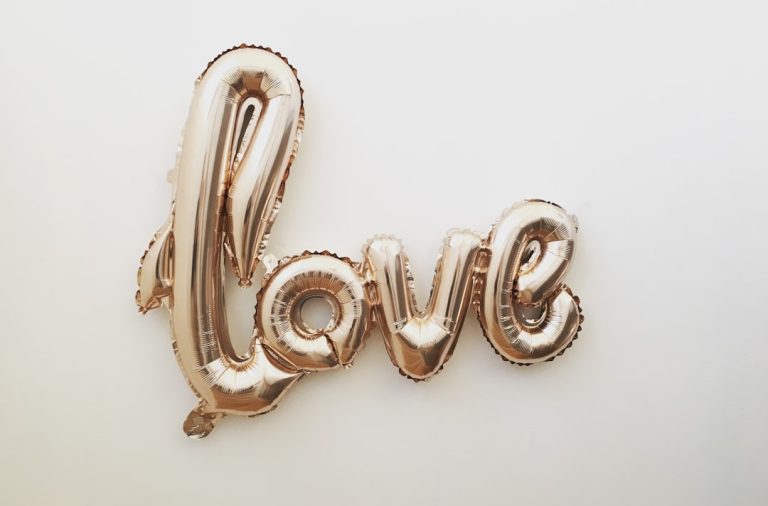
- Images for inspiration
- Final thoughts
- Call to action
- Source
Why fonts matter for your wedding
Typography is often overlooked, but fonts communicate personality and set expectations. The right script conveys romance and softness. A crisp sans-serif feels modern and calm. Fonts also:
- Establish hierarchy (who or what is most important on an invitation).
- Improve readability on RSVP cards and websites.
- Reinforce your wedding theme and color palette.
- Create a cohesive visual brand for multi-piece suites (invitations, menus, signage, websites, favors).
If you think of a wedding as a curated guest experience, typography is a guiding voice — it tells your guests what to expect before they even arrive.
How we selected these pairings
We chose pairings that balance contrast (to create readable hierarchy) and harmony (so the suite feels unified). Each pairing includes recommended uses (headline, subhead, body), suggested wedding styles, and color palette ideas. Where possible, we favor fonts that are widely available for licensing or free for personal use, and we call out combinations that print reliably.
Top 10 wedding font pairings for modern brides
- Elegant Script + Modern Serif
– Headline: Classic script (handwritten calligraphy)
– Subhead/Body: Transitional serif (think refined, slightly modern serifs)
– Best for: Romantic, traditional, black-tie weddings
– Why it works: The flow of script feels personal; the serif stabilizes long blocks of text (details, RSVP)
– Color palette suggestion: Ivory, champagne gold, dusty rose
– Use: Invitation names and main title in script; all logistical text in the serif - Brush Script + Clean Sans
– Headline: Casual brush script
– Subhead/Body: Geometric sans-serif
– Best for: Boho, outdoor, destination weddings
– Why it works: Brush scripts feel organic; geometric sans keeps readability and modern energy
– Color palette: Terracotta, sage green, warm neutrals
– Use: Day-of signage and welcome notes in brush; schedules and map text in sans - Modern Serif + Small-Cap Sans
– Headline: Stylish modern serif (high contrast but restrained)
– Subhead/Body: Small-caps humanist sans
– Best for: Modern-formal city weddings
– Why it works: The serif brings character for titles; small-caps sans gives luxe, editorial feel for details
– Color palette: Charcoal, blush, metallic accent
– Use: Main invitation title in serif; everything else in small-caps sans for elegant consistency - Classic Calligraphy + Neutral Serif
– Headline: Formal calligraphic script
– Subhead/Body: Old-style serif
– Best for: Classic church or heritage venue weddings
– Why it works: Calligraphy reads as timeless; old-style serif complements historical aesthetic
– Color palette: Navy, cream, deep burgundy
– Use: Names and headers in calligraphy; body copy and RSVP in serif - Minimal Sans + Neutral Sans (Contrast in Weight)
– Headline: Bold sans
– Subhead/Body: Light-weight sans
– Best for: Minimal, modern, micro weddings
– Why it works: Same family but different weights keeps a minimalist vibe while clarifying hierarchy
– Color palette: White, soft gray, a single accent color (peach or mint)
– Use: Titles in bold; venue details in light-weight sans - Vintage Serif + Decorative Display
– Headline: Decorative display (vintage or art-deco)
– Subhead/Body: Robust serif
– Best for: Retro, vintage, or art-deco themed weddings
– Why it works: Decorative headlines create mood; serif provides readability for long blocks
– Color palette: Deep green, gold, cream
– Use: Save-the-date or invitation header in display; details in serif - Handwritten Signature + Neutral Body Serif
– Headline: Personal signature-style script
– Subhead/Body: Clean serif or slab-serif
– Best for: Intimate, personalized weddings or where the couple wants a handcrafted feel
– Why it works: Personalization from the script, reliability from the serif
– Color palette: Soft lavender, cream, muted gray
– Use: Couple’s names in script; logistics in clean serif - Playful Rounded Sans + Friendly Script
– Headline: Rounded sans (friendly, approachable)
– Subhead/Body: Simple casual script for accents
– Best for: Backyard weddings, family-centered events, brunch receptions
– Why it works: Inviting and fun — great for casual type settings
– Color palette: Sunflower yellow, sky blue, warm white
– Use: Signage, menus, and kids’ activity sheets - Elegant Slab Serif + Light Script Accent
– Headline: Slab serif (strong, slightly vintage)
– Subhead/Body: Thin, airy script for accent lines
– Best for: Industrial-chic, modern-rustic venues
– Why it works: Slab brings structure; airy script softens the look
– Color palette: Concrete gray, eucalyptus green, pale blush
– Use: Primary titles in slab; accent phrases or dates in script - Formal Sans + Geometric Display
– Headline: High-contrast geometric display
– Subhead/Body: Neutral sans-serif
– Best for: Contemporary, gallery, or modern art weddings
– Why it works: Bold geometric shapes create modern drama; neutral sans keeps information clear
– Color palette: Monochrome with one jewel-toned accent
– Use: Program titles and signage in display; all event text in neutral sans for readability
Pairing notes and hierarchy rules
- Contrast is critical: Pair a decorative or script with a simpler serif or sans to avoid visual clutter.
- Limit primary typefaces to two per suite: One for headlines/titles and one for body text. Use a third (accent) sparingly for small elements like RSVP headings.
- Always test legibility at actual sizes: Script fonts may look beautiful at large sizes but be unreadable at 8–10 pt.
Color palettes and fonts: how they work together
Typography and color reinforce each other. For example:
- A delicate script pairs beautifully with soft neutrals and metallic accents (gold foil).
- Bold sans pairings call for high-contrast palettes (black/white or deep navy with a vivid accent).
- Boho brush scripts pair with earthy palettes (terracotta, clay, sage).
If you plan metallic printing (foil), choose fonts with simpler strokes for body text; filament or thin strokes may not foil well.
Technical and accessibility considerations
- Readability: For invitations, keep body text between 9–12 pt depending on the chosen font. For scripts used as names/titles, 22–48 pt is common.
- Contrast: Use sufficient color contrast for web accessibility. Light gray on cream can be beautiful yet hard to read online.
- Web vs print: Use web-safe equivalents for your wedding website if the chosen font isn’t available online. Google Fonts and hosted web fonts can help maintain consistency.
- Licensing: Confirm commercial and print licenses for fonts used across vendor materials. Some display fonts are free for personal use but require a license for printed invites or business logos.
How AI and expert services make font selection easier
AI tools can analyze style keywords (e.g., “romantic garden, blush palette”) and suggest font combinations that match your vibe. For wedding businesses and planners, AI can:
- Auto-generate invitation mockups with font and color combinations.
- Create multiple variation options for feedback rounds.
- Ensure consistency across brand assets (website, signage, printed materials) by exporting style guides.
Our team blends AI-driven suggestions with human design judgment to ensure any pairing feels personalized and print-safe. We also help create a wedding logo that can be applied across signage, website headers, and favors — essential for cohesive branding.
Actionable advice for brides (practical takeaways)
- Start with mood: Collect 6–8 inspirational images (Pinterest or phone photos). Note recurring font styles you gravitate to.
- Pick your primary font based on function: If most wedding text will be read (menus, itinerary), favor a highly readable serif or sans for body.
- Reserve scripts for names and headers: Use them for emphasis only.
- Test in real life: Print a sample invitation suite at actual sizes and materials before committing to a full run.
- Harmonize with color palette: Ensure inks, foils, and papers complement your typography (test swatches).
- Consider a wedding logo: Simple monograms or combined initials using your primary fonts add a professional touch to websites and favors.
- Ask vendors about file formats: Provide fonts or outlined text to printers; ensure web fonts are set up on your site.
- Budget for licensing: Factor font licensing into your stationary and signage budgets.
How our wedding planning and design services help
- Font sourcing and licensing: We identify the best options that fit your aesthetic and budget, and procure the right licenses.
- Complete invitation suite design: From save-the-dates to day-of signage, we ensure typography is consistent.
- Mockups across media: We provide print and digital mockups, including suggested paper stocks, foils, and embossing.
- Wedding logo creation: We design and deliver scalable logo files for print and web, plus a mini style guide.
- AI-enhanced options: For couples on a tight timeline, our AI-driven mockup generator produces multiple polished concepts to review quickly.
Example workflow for a typical client
- Style consultation: We review mood boards, venue photos, and color palette.
- Font shortlist: We propose three primary font pairings with mockups.
- Revisions: Two rounds of revisions on wording, font sizes, and layout.
- Final files: Delivery of print-ready PDFs, web font guidance, and a PDF style guide for vendors.
Real-world printing tips
- Paper choice changes how a font reads — textured stocks can soften fine script details, so increase weight or size if choosing textured paper.
- Foil and letterpress need positive space in letters; thin strokes or tiny counters can disappear.
- Always ask for a press proof or digital mockup before final print.
Final thoughts
Typography sets the tone of your wedding before guests arrive. Whether you’re a modern bride leaning toward minimal sans, a romantic bride favoring flowing scripts, or a planner creating a cohesive brand for a couple’s big day, thoughtful font pairings elevate every detail. Use the guidelines above to choose pairings that are both beautiful and functional, and don’t hesitate to use design professionals (and intelligent design tools) to speed up decisions and avoid costly misprints.
Ready to see curated font pairings and download professionally licensed wedding fonts? Explore our collections and download fonts and design resources at https://fonts.wedding. If you’d like help turning your favorite pairing into a full invitation suite or wedding logo, contact our team to book a design consultation — we combine human creativity with AI efficiency to deliver beautiful, print-ready results.
Source
Canva — “How to Pair Fonts” (font pairing fundamentals and examples): https://www.canva.com/learn/font-pairing/