
Wedding Branding Ideas and Trends for 2026
Wedding Branding 2026: Building a Cohesive Visual Identity for Your Ceremony and Celebration
Estimated reading time: 11 minutes
Key takeaways:
- Wedding branding 2026 is about more than aesthetics; it creates a unified narrative across every touchpoint.
- A strong brand foundation includes visual identity, brand voice, design language, and guest experience.
- Consistency across invitations, signage, ceremony details, and digital spaces helps guests instantly recognize your celebration.
- Clear brand guidelines make it easier for vendors to execute your vision cohesively.
- Your wedding brand can continue after the event through thank-you materials, favors, and photo sharing.
Understanding Wedding Branding: Beyond Aesthetics
Your wedding is more than a single day—it’s an extension of who you are as a couple. Wedding branding 2026 transforms your celebration from a collection of beautiful details into a unified narrative that tells your love story visually. From your ceremony entrance to the final dance, consistent branding creates an immersive experience that guests will remember long after the last toast. This comprehensive guide reveals how to develop and implement a distinctive brand identity that elevates every touchpoint of your wedding.
Wedding branding encompasses far more than selecting pretty colors. True branding communicates your couple’s values, personality, and vision through deliberate visual and verbal consistency.
The core elements of wedding branding create a cohesive atmosphere that feels intentional, polished, and deeply personal.
A complete wedding brand includes:
- Visual Identity – logo, color palette, typography, and imagery style
- Brand Voice – tone and messaging across invitations, speeches, and signage
- Design Language – consistent styling applied across all materials and spaces
- Guest Experience – how your brand manifests throughout the ceremony and reception journey
When executed thoughtfully, these elements create a cohesive atmosphere that feels intentional, polished, and deeply personal.
Developing Your Brand Foundation
Before designing individual elements, establish your brand’s foundational principles.
Define Your Brand Story
Begin by answering essential questions:
- How did you meet and fall in love?
- What shared values define your relationship?
- What aesthetic naturally appeals to both of you?
- What emotions do you want guests to experience?
Your wedding brand should authentically reflect these foundational truths. A couple that met hiking in Colorado might embrace earthy tones and natural materials, while urban professionals might gravitate toward sophisticated metallics and modern typography.
Identify Your Brand Personality
Is your celebration:
- Classic and Timeless – emphasizing heritage, tradition, and enduring elegance
- Modern and Minimalist – featuring clean lines, intentional spacing, and contemporary design
- Romantic and Whimsical – celebrating emotion, soft textures, and dreamy aesthetics
- Bold and Contemporary – embracing dramatic colors, geometric patterns, and artistic expression
- Luxe and Sophisticated – highlighting premium materials, refined details, and understated opulence
Your brand personality guides all creative decisions moving forward.
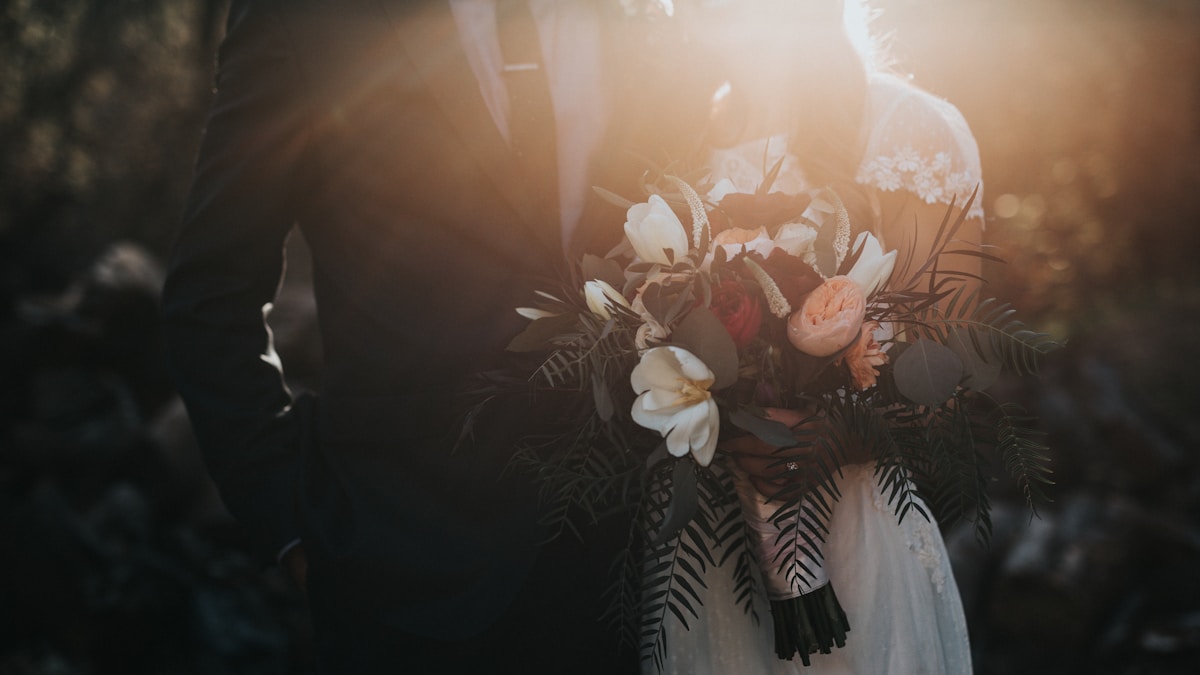
Color Palette Strategy for Wedding Branding
Your color scheme is your brand’s most recognizable visual asset.
Primary and Secondary Colors
Establish a clear hierarchy:
Primary Color – the dominant hue appearing throughout your wedding (invitations, linens, bridesmaid dresses, flowers). This color should feel personal and meaningful. Consider whether it connects to a significant memory, natural element, or shared preference.
Secondary Colors – complementary hues that support the primary color without competing for attention. These appear in accents like ribbon details, table runners, or signage.
Accent Colors – tertiary colors used sparingly to add visual interest (metallic foiling, small floral elements, decorative details).
2026 Color Palettes Leading Wedding Branding
Rich Jewel Tones – deep emerald, sapphire, and burgundy convey luxury and sophistication. These colors photograph beautifully and translate well across digital and print materials.
Warm Metallics – rose gold, champagne, and warm bronze create elegant sophistication without feeling cold. These pair exceptionally well with cream and blush neutrals.
Earth-Inspired Hues – terracotta, sage, ochre, and warm gray reflect a return to natural, grounding aesthetics. These colors resonate with couples seeking authentic, meaningful celebrations.
Monochromatic Luxury – single-color palettes in varying tints and shades create sophisticated cohesion. All-white with textural variation, or multiple shades of blue, deliver refined elegance.

Typography: Your Brand’s Voice
Typography communicates your brand personality before a single word of content is read.
Font Pairing for Wedding Branding
Select two complementary fonts—one for headlines, one for body text. This pairing should appear consistently across:
- Invitations and stationery
- Signage (welcome signs, table numbers, menu cards)
- Digital communications (wedding website, email, social media)
- Programs and ceremony materials
2026 Typography Trends
Serif Fonts – Garamond, Bodoni, and Freight remain timeless choices for formal invitations and elegant applications. These fonts project sophistication and heritage.
Modern Sans-Serif – Montserrat, Inter, and Poppins offer contemporary appeal. These fonts feel fresh without sacrificing elegance.
Custom Calligraphy – Modern calligraphy styles add personal, artistic touches to place cards, menus, and signage. When applied consistently, calligraphy becomes a recognizable brand element.
Implementing Typography Consistency
Your wedding website should mirror invitation typography. Menu cards should echo invitation styling. This repetition reinforces your brand and creates visual coherence.
Designing Your Wedding Logo
A wedding logo serves as the visual anchor of your brand identity.
Logo Elements
Effective wedding logos incorporate:
- Your names or initials – the most personal brand element
- A symbolic image – perhaps a meaningful flower, location silhouette, or geometric shape
- Your selected typography – reflecting your overall brand voice
- Restraint – logos should feel sophisticated, not cluttered
Strategic Logo Placement
Apply your logo across:
- Invitations and save-the-date cards
- Signage and directional materials
- Napkins, cocktail stirrers, and glassware
- Thank you cards and wedding favors
- Digital assets (wedding website header, email signatures)
Consistent placement trains guest recognition and reinforces your brand identity.

Invitations as Brand Ambassadors
Your invitation is your first branded touchpoint and sets expectations for your entire celebration.
Invitation Design Hierarchy
Format Selection – Traditional folded cards, modern flat cards, or unconventional shapes should align with your brand personality.
Material and Texture – Premium cardstock (cotton-blend, laid finish, or textured paper) communicates quality and luxury. The tactile experience creates lasting impressions.
Graphic Elements – Borders, illustrations, patterns, or photographs should feel intentional. Avoid generic elements that don’t reflect your specific brand.
Information Architecture – Organize content hierarchically. Your names should be most prominent, followed by essential ceremony details, then logistical information.
Digital Invitation Alignment
If including digital invitations or wedding websites, mirror the invitation’s typography, color palette, and design language. Guests should recognize your brand immediately across all platforms.
Ceremony Space Branding
Your ceremony backdrop becomes the visual centerpiece where your brand takes physical form.
Altar and Processional Branding
Apply your brand identity through:
- Floral installations – arrangements reflecting your color palette and aesthetic
- Lighting design – color, intensity, and positioning that emphasizes your brand mood
- Architectural elements – arches, runners, or installations featuring your logo or initials
- Seating and viewing arrangements – organized to create visual flow and focus
The ceremony space should feel like a natural extension of your invitations and communications—guests should recognize your brand immediately upon arrival.
Aisle and Entry Branding
Consider how guests experience your space:
- Entry signage – a branded welcome statement or your names
- Aisle runner – color-coordinated or featuring your monogram
- Seating cards – consistent with your overall brand typography and design
- Program covers – extending invitation design language
Reception Space Branding
Your reception brings your brand to three-dimensional life.
Table Branding Elements
Table Numbers – these utilitarian elements become brand touchpoints. Design them to reflect your overall aesthetic (calligraphy, geometric design, meaningful symbolism).
Centerpieces – whether floral or sculptural, centerpieces should reinforce your color palette and design language.
Linens and Place Settings – color selection reinforces your brand. Premium linens communicate quality; thoughtful folding and arrangement demonstrate attention to detail.
Menu Cards and Seating Cards – extend invitation typography and design. Consistency reinforces your brand across every guest interaction.
Signage Throughout the Space
Every sign—welcome signs, directional signs, food and beverage labels, thank you signage—should employ your selected typography and color palette. This unified approach elevates perceived design cohesion.

Digital Brand Extension
Your wedding brand extends beyond physical celebration into digital spaces.
Wedding Website Branding
Your wedding website should feature:
- Your brand colors in the design scheme
- Typography consistent with invitations
- Your logo or monogram prominently displayed
- Photography reflecting your aesthetic
- Consistent messaging about your story and celebration
Social Media and Digital Communications
Before your wedding date, build anticipation through branded social content:
- Instagram grid featuring your color palette and photography style
- Branded hashtag using your names or wedding theme
- Consistent filter application reflecting your aesthetic
- Cohesive caption voice aligned with your brand personality
Coordinating with Vendors Through Brand Guidelines
Providing clear brand guidelines ensures every vendor understands and executes your vision.
Essential Brand Guidelines Document
Include:
- Color palette (hex codes and RGB values)
- Typography specifications (font names, sizing hierarchy)
- Logo usage guidelines (approved placements, sizing, spacing)
- Photography style (mood, composition, editing preferences)
- Design vocabulary (approved elements, patterns, imagery styles)
- Brand voice (tone, messaging, key phrases)
- Visual examples of approved and non-approved applications
Sharing these guidelines with florists, stationers, photographers, and other vendors ensures cohesive execution across all services.
Photography and Videography as Brand Documentation
Your photographer and videographer capture and communicate your brand identity.
Communicating Your Brand Aesthetic
Provide photographers with:
- Inspiration images reflecting your desired aesthetic
- Specific moments you want captured
- Guidance on color grading and editing style
- Preference for posed versus candid photography
- Details most important to document (invitations, signage, centerpieces)
Consistent photographic style reinforces your brand and creates gallery cohesion.
Post-Wedding Brand Extension
Your wedding brand continues beyond your celebration date.
Thank You Materials
Extend your brand through post-wedding communications:
- Thank you cards featuring your wedding colors and typography
- Monogrammed return address labels
- Consistent voice in written gratitude
- Photo selection reflecting your brand aesthetic
Wedding Favors and Gifts
If providing guest favors, brand them thoughtfully:
- Custom packaging in your wedding colors
- Logo or monogram application
- Typography consistency with invitations
- Products reflecting your couple’s personality and values
Timeline for Developing Your Wedding Brand
6–9 Months Before
- Define your brand story and personality
- Establish color palette and typography
- Design your logo and monogram
- Create brand guidelines document
3–6 Months Before
- Design and order invitations
- Brief all vendors on brand guidelines
- Develop wedding website with branded design
- Plan ceremony and reception branding elements
1–3 Months Before
- Finalize all printed materials
- Confirm vendor understanding of brand vision
- Plan photography shot list emphasizing brand elements
- Prepare branded signage and directional materials
Final Month
- Review all branded materials
- Conduct vendor walkthrough emphasizing brand touchpoints
- Prepare digital brand assets for post-wedding sharing
- Confirm photography and videography alignment with brand aesthetic
Conclusion: Your Brand as Love Story
Wedding branding 2026 represents a sophisticated approach to celebration—one that transforms aesthetic choices into meaningful communication. By developing and consistently applying a cohesive brand identity, you create an immersive experience that tells your unique love story. From the moment guests receive your invitations through the final thank you cards, every touchpoint reinforces who you are as a couple. This unified approach elevates your wedding from beautiful celebration to a complete brand experience—a reflection of your values, personalities, and shared vision that guests will remember and recognize instantly. Your brand becomes your legacy, transforming your wedding into a complete sensory experience that authentically represents your relationship.
FAQ
What is wedding branding, and why does it matter?
What elements should be included in a wedding brand?
How do I choose a wedding color palette for 2026?
Do I need a wedding logo or monogram?
How can I keep my wedding brand consistent across vendors?
What is wedding branding, and why does it matter?
Wedding branding is the deliberate use of visual identity, tone, and design language to create a cohesive experience across your celebration. It matters because it turns separate details into a unified story that reflects your relationship and helps guests remember the event.
What elements should be included in a wedding brand?
A complete wedding brand includes visual identity, brand voice, design language, and guest experience. In practice, that means your color palette, typography, logo or monogram, invitation design, signage, and digital presence should all feel aligned.
How do I choose a wedding color palette for 2026?
Start with your story, shared values, and aesthetic preferences. In 2026, popular directions include rich jewel tones, warm metallics, earth-inspired hues, and monochromatic luxury. Choose colors that feel personal and that will work across print, decor, and digital materials.
Do I need a wedding logo or monogram?
You do not need one, but a wedding logo or monogram can serve as a visual anchor for your brand. It is especially useful if you want to apply a consistent mark across invitations, signage, favors, and your wedding website.
How can I keep my wedding brand consistent across vendors?
Create a brand guidelines document that includes your color codes, typography, logo rules, photography preferences, and approved design examples. Share it early with every vendor so they can execute your vision consistently.