Wedding Typography Trends 2026 Best Fonts and Pairings
Wedding Typography Trends 2026: Elegant Fonts, Pairings, and Design Ideas for Modern Celebrations
Estimated reading time: 7 minutes
- Choose typography that matches the wedding mood, not just current trends.
- Use two fonts when possible to keep the design clean and cohesive.
- Prioritize readability for invitations, signage, and websites.
- Pair decorative fonts with simple ones for balance.
- Think of typography as part of the wedding brand, not just decoration.
Table of Contents
- Why Wedding Typography Matters in 2026
- Top Wedding Typography Trends for 2026
- Best Wedding Fonts for Invitations and Signage
- Elegant Wedding Font Pairings That Work
- Design Tips for Using Wedding Typography Well
- Practical Planning Advice for Couples and Designers
- Real Wedding Inspiration
- Wedding Branding Elements That Tie Everything Together
- Key Takeaways for Brides
- FAQ
Why Wedding Typography Matters in 2026
Typography does more than display names and dates. It sets the tone for the entire wedding experience. A script font can feel romantic and traditional, while a clean serif or sans serif can signal modern luxury. In 2026, couples are thinking about typography as part of the full branding of their wedding day.
The right font choices help create consistency across:
- Save-the-dates
- Wedding invitations
- Ceremony programs
- Seating charts
- Welcome signs
- Bar menus
- Wedding websites
When typography is chosen thoughtfully, it makes every piece look polished and intentional.
Top Wedding Typography Trends for 2026
1. Refined Script Fonts with Better Readability
Script fonts remain popular, but the trend is shifting away from overly ornate styles. In 2026, couples are choosing elegant script fonts with smoother curves, moderate contrast, and clearer letterforms.
These fonts work especially well for:
- Couple names
- Monograms
- Invitation headers
- Signature details on programs
A readable script adds romance without making the design feel difficult to decipher.
2. Editorial Serif Fonts
Inspired by fashion magazines and luxury branding, editorial serif fonts are a major trend for 2026 weddings. They bring sophistication, structure, and a timeless quality to invitations and signage.
This style is especially popular for:
- Luxury wedding branding
- Minimalist invitation suites
- Classic black-tie celebrations
- Destination weddings with a refined look
Pairing a strong serif with a delicate script creates contrast and visual balance.
3. Soft Sans Serif Pairings
Sans serif fonts are becoming more common in modern wedding design, especially when couples want a clean, contemporary feel. In 2026, softer and more humanist sans serifs are replacing overly geometric options.
These work well for:
- Wedding websites
- Modern signage
- Table numbers
- Detail cards
- Digital RSVPs
When paired with a serif or script font, sans serifs help keep the overall design fresh and readable.
4. High-Contrast Font Pairings
One of the strongest wedding typography trends in 2026 is contrast. Designers are pairing bold display fonts with delicate secondary fonts to create depth and visual interest.
Popular combinations include:
- Elegant script + modern serif
- High-contrast serif + neutral sans serif
- Vintage-inspired serif + minimal sans serif
The goal is not to use more fonts, but to use the right combination of two or three fonts with purpose.
5. Vintage-Inspired Lettering with a Contemporary Twist
Vintage typography is returning, but in a more polished way. Couples are gravitating toward fonts that feel nostalgic without looking outdated. This includes soft calligraphic scripts, old-world serifs, and decorative initials used sparingly.
This trend fits well with:
- Garden weddings
- Romantic estate weddings
- Old-money-inspired themes
- Heritage venues
Best Wedding Fonts for Invitations and Signage
Choosing the best wedding fonts depends on the style of the event and where the fonts will appear. A beautiful font on a printed invitation may not work as well on a seating chart or website. That is why font selection should always balance beauty and function.
For Invitations
Invitation fonts should be elegant and legible. The couple’s names can be more decorative, but the key details should remain easy to read.
Good choices often include:
- Classic serif fonts
- Refined script fonts
- Soft calligraphy styles
- Fashion-inspired display fonts
For Signage
Wedding signage needs strong readability from a distance. Choose fonts with enough weight and spacing so guests can quickly understand the information.
Ideal options include:
- Clean sans serif fonts
- Simple serif fonts
- Minimalist lettering
- Bold uppercase styles for directional signs
For Monograms
Wedding monograms are one of the most popular branding elements in 2026. They often use serif fonts, script combinations, or custom lettering to create a personalized mark for the event.
Monograms are especially useful on:
- Welcome signage
- Dance floor decals
- Cocktail napkins
- Wax seals
- Keepsake stationery
Elegant Wedding Font Pairings That Work
Font pairing is where wedding design becomes truly memorable. The best pairings create contrast while still feeling harmonious.
Popular Pairing Styles in 2026
Romantic and Classic
Script font for names
Serif font for details
This is ideal for formal weddings, garden weddings, and traditional celebrations.
Modern and Minimal
Clean sans serif for headings
Light serif for supporting text
This is a strong choice for city weddings, gallery venues, and contemporary spaces.
Luxury and Editorial
High-contrast serif for headings
Refined sans serif for body text
This pairing feels upscale and is often used in luxury wedding branding.
Vintage and Soft
Decorative serif for titles
Simple script for accents
This works beautifully for romantic, heritage-inspired, or floral wedding themes.
Design Tips for Using Wedding Typography Well
Typography can look beautiful on its own, but it becomes even more effective when paired with thoughtful layout and spacing.
Keep the Hierarchy Clear
Make sure the most important information stands out first. For example:
- Couple names
- Wedding date
- Venue details
- RSVP instructions
This helps guests quickly understand the design without overwhelming them.
Limit the Number of Fonts
Using too many fonts can make a wedding design feel busy and inconsistent. In most cases, two fonts are enough, and three should be the maximum.
A good formula is:
- One display font
- One supporting font
- Optional accent font for special details
Pay Attention to Spacing
Letter spacing and line spacing matter as much as font choice. Elegant typography needs room to breathe. Tight spacing can make even a beautiful font look crowded.
Match Typography to the Venue and Mood
A grand ballroom, modern loft, and outdoor vineyard each call for different typography choices. The font should support the atmosphere, not compete with it.
Test Readability Across Formats
Always check how typography looks in:
- Printed invitations
- Mobile wedding websites
- Large signage
- Small detail cards
- Black-and-white versions
A font that looks stylish on screen may not print well at smaller sizes.
Practical Planning Advice for Couples and Designers
Wedding typography should be planned early in the design process, ideally before finalizing invitations or signage.
Start with the Overall Style
Before choosing fonts, define the mood of the wedding:
- Formal or casual
- Classic or modern
- Romantic or minimal
- Bold or understated
Typography should reflect that decision.
Build a Cohesive Visual System
Once a font pair is chosen, use it consistently across all wedding materials. This creates a unified experience from the first save-the-date to the final thank-you card.
Work Backward from Production Needs
Some fonts work better for digital use, while others are ideal for print. If the wedding includes custom signage, letterpress invitations, or foil stamping, make sure the typeface works well in those applications.
Consider Accessibility
Beautiful design should still be easy to read. Avoid fonts that are too thin, tightly spaced, or highly decorative for essential information such as times, addresses, and RSVP details.
Real Wedding Inspiration
One of the easiest ways to understand wedding typography trends is to see how they appear in real celebrations.
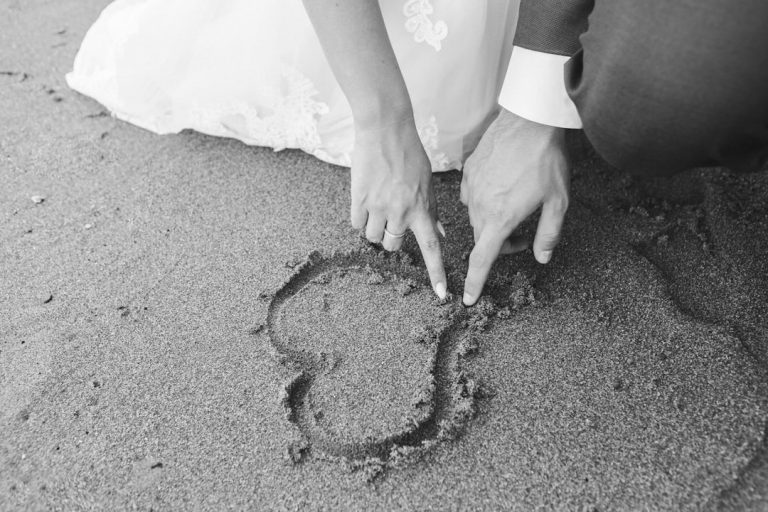
A modern black-and-white wedding might use a sleek serif headline paired with a clean sans serif for menus and table numbers. A romantic garden wedding could feature a graceful script on invitations and a soft serif on welcome signage. A luxury destination wedding may combine editorial typography with a custom monogram for a cohesive branded look.
These real-life combinations work because they are consistent. Every printed and digital touchpoint tells the same visual story.
Wedding Branding Elements That Tie Everything Together
Typography is only one part of wedding branding, but it is one of the most recognizable. When typography is coordinated with other design elements, the result feels far more polished.
Key branding pieces often include:
- Logos or monograms
- Typography choices
- Invitations
- Save-the-dates
- Signage
- Menu cards
- Wax seals
- Wedding websites
A strong visual identity helps the entire event feel intentional and memorable. Couples and designers who want to explore wedding typography resources can find inspiration at https://fonts.wedding. It is especially useful when developing a consistent look across paper goods and event signage.
Key Takeaways for Brides
- Choose typography that matches the wedding mood, not just current trends.
- Use two fonts when possible to keep the design clean and cohesive.
- Prioritize readability for invitations, signage, and websites.
- Pair decorative fonts with simple ones for balance.
- Think of typography as part of the wedding brand, not just decoration.
- Keep everything consistent across print and digital pieces.
FAQ
What fonts work best for wedding invitations?
The best fonts for wedding invitations are elegant serif fonts, refined script fonts, and readable calligraphy styles. These fonts create a romantic feel while keeping the important details clear.
How do I choose wedding typography?
Start with the wedding style, venue, and mood. Then choose fonts that support that aesthetic and remain readable across invitations, signage, and digital materials.
What wedding typography trends are popular in 2026?
Popular 2026 trends include refined scripts, editorial serif fonts, soft sans serif pairings, high-contrast font combinations, and vintage-inspired lettering with a modern finish.
How many fonts should a wedding design use?
Most wedding designs work best with two fonts. A third font can be added for accents, but too many fonts can make the design feel inconsistent and cluttered.
Should wedding signage use the same fonts as invitations?
Yes, ideally. Using the same font family or a closely related pairing helps create a cohesive visual identity across the entire wedding.