Wedding Invitation Design Trends 2026 Best Ideas
Wedding Invitation Design Trends 2026: Elegant Ideas for Modern Couples
Estimated reading time: 6 minutes
- Focus on elegant typography and clear layouts.
- Embrace soft luxury through quality materials.
- Create cohesive branding across all invitation elements.
- Design with both print and digital formats in mind.
- Prioritize timeless styles for lasting memories.
Table of Contents
- What’s Trending in Wedding Invitation Design for 2026?
- The Shift Toward Editorial-Looking Invitations
- Soft Luxury Instead of Overly Ornate Details
- Design Tips for Modern Wedding Invitations
- Practical Planning Advice for Wedding Invitation Suites
- Expert Insights: What Makes a Wedding Invitation Look Premium?
- Real Wedding Inspiration for 2026 Invitation Design
- Branding Matters: Logos, Typography, Invitations, and Signage
- Key Takeaways for Brides
- FAQ: Wedding Invitation Design Trends 2026
What’s Trending in Wedding Invitation Design for 2026?
The biggest wedding invitation design trends in 2026 lean toward intentional simplicity. Instead of crowded layouts and decorative excess, couples are choosing clean typography, subtle texture, soft color palettes, and layered materials that feel elevated and memorable.
This year, the best invitations do more than share logistics. They create an experience. From the moment a guest opens the envelope, the stationery should reflect the mood of the wedding, whether that means romantic, modern, classic, or fashion-forward.
The Shift Toward Editorial-Looking Invitations
One of the strongest trends is the editorial look. Invitations are borrowing cues from luxury magazines and high-end brand identity systems.
- generous white space
- carefully spaced type
- structured layouts
- minimal but meaningful embellishments
- high-contrast typography
This approach works especially well for black-tie weddings, destination celebrations, and couples who want a polished, design-led aesthetic.
Soft Luxury Instead of Overly Ornate Details
In 2026, luxury is quieter. Instead of heavy embellishment, couples are embracing small details that feel expensive and thoughtful:
- cotton or textured paper
- letterpress or blind embossing
- deckled edges
- vellum wraps
- silk ribbon or wax seals used sparingly
The result is a design that feels sophisticated without appearing outdated.
Design Tips for Modern Wedding Invitations
A beautiful wedding invitation should be visually balanced, easy to read, and aligned with the overall wedding style. Here are the most important design principles to keep in mind.
Choose Typography That Matches the Tone
Typography is one of the most defining elements of invitation design. In 2026, many designers are combining elegant serif fonts with refined script or handwritten accents.
A few smart typography pairings include:
- classic serif + soft script
- modern sans serif + high-contrast serif
- minimalist serif + small caps for detail text
- romantic script + clean body font
The key is readability. A decorative font may look beautiful in a monogram or headline, but the event details should remain easy to scan.
Keep the Layout Clear
A strong invitation layout should guide the eye naturally. Start with the couple’s names or event title, then move to the date, location, and RSVP information.
Helpful layout rules:
- use hierarchy to separate key information
- avoid overcrowding the card
- leave breathing room around the edges
- align text consistently
- use contrast to highlight the most important details
If the invitation feels busy in a digital mockup, it will likely feel even more crowded in print.
Use Color with Intention
Wedding color palettes in 2026 are often soft, layered, and nuanced. Even neutral invitations are moving beyond plain white and beige into more curated tones.
Popular choices include:
- warm ivory
- champagne
- muted sage
- dusty blue
- blush taupe
- charcoal
- deep green
For couples who want a contemporary feel, monochrome invitation suites are especially effective. For a more romantic look, subtle gradients and watercolor-inspired accents can be used carefully.
Practical Planning Advice for Wedding Invitation Suites
Design is important, but so is the planning behind it. A well-designed invitation suite only works if it supports the timeline and guest experience.
Decide What Belongs in the Suite
Not every wedding needs the same set of printed pieces. A full suite may include:
- main invitation
- details card
- RSVP card
- envelope liner
- accommodation insert
- reception card
- ceremony card
For more modern or intimate weddings, couples may reduce the suite to just the essentials. The best choice depends on guest needs, budget, and the formality of the event.
Think About Print and Digital Together
In 2026, many couples are designing invitations with both print and digital use in mind. Even if the invitation is physical, the design may need to translate to:
- wedding websites
- email announcements
- digital RSVP pages
- social media sharing
- save-the-date graphics
This is where flexibility matters. A design system should work across formats while still feeling cohesive and elevated.
Plan for Timing Early
Invitation design often takes longer than couples expect. Between copy edits, font selection, proofing, printing, and mailing, the process can stretch out quickly.
A practical timeline looks like this:
- finalize invitation wording early
- choose stationery style before printing deadlines
- allow time for sample proofs
- review every name, date, and address carefully
- mail invitations with enough buffer before the RSVP deadline
For destination weddings or holiday dates, start even earlier.
Expert Insights: What Makes a Wedding Invitation Look Premium?
Premium wedding invitation design is not about adding more elements. It is about making thoughtful choices that feel deliberate.
Paper Quality Matters More Than People Think
A beautiful design can be diminished by poor paper. On the other hand, a simple layout on thick, well-finished stock can feel extremely luxurious.
Look for:
- heavyweight card stock
- cotton or textured paper
- soft-touch finishes
- letterpress-friendly surfaces
- specialty envelopes
The tactile experience is part of the design, especially for formal weddings.
Consistency Is Essential
Every piece in the wedding suite should feel connected. The invitation, RSVP card, and other inserts should use the same visual language.
Consistency can come from:
- repeated typography
- shared color palette
- matching border styles
- coordinated spacing
- unified icon or monogram use
This creates a polished identity that feels intentional rather than assembled from separate templates.
Monograms and Custom Marks Are Still Strong
Custom monograms remain popular in 2026 because they offer a personal yet elegant branding element. They can appear on the invitation, envelope, menus, signage, and thank-you cards.
Used well, a monogram becomes part of the wedding’s visual story.
Real Wedding Inspiration for 2026 Invitation Design
The best inspiration often comes from how design trends are interpreted in real weddings. Here are a few styles couples are loving now.
Modern Black-Tie Wedding
This style often features:
- black serif typography
- ivory paper
- minimalist layout
- fine-lined borders
- formal wording
The look is refined and timeless, especially for city weddings, hotel venues, or evening celebrations.
Romantic Garden Wedding
For a softer aesthetic, couples are choosing:
- dusty rose or sage accents
- delicate script details
- floral envelope liners
- airy spacing
- watercolor-inspired motifs
This style works beautifully for outdoor ceremonies, estate weddings, and spring or summer celebrations.
Coastal or Destination Wedding
Destination weddings often lean into a lighter, more relaxed look with:
- neutral sand tones
- soft blue accents
- organic textures
- elegant but simple typography
- map or location-inspired details
The design should capture the destination without becoming too themed.
Minimalist City Wedding
For couples drawn to contemporary design, minimalist invitations use:
- monochrome palettes
- sans serif and serif combinations
- sharp alignment
- understated branding
- a focus on typography over ornament
These invitations feel current, chic, and highly photographic.
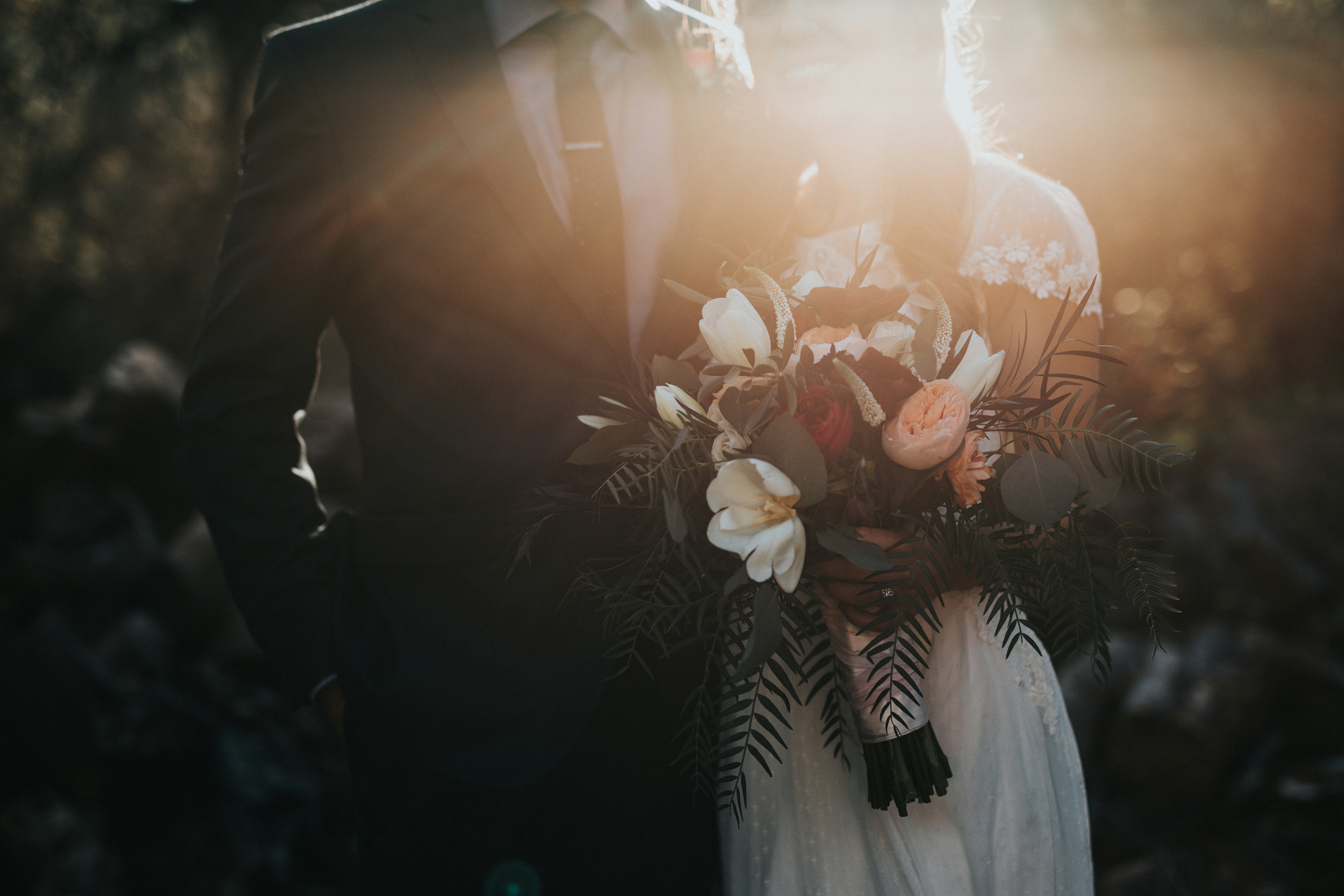
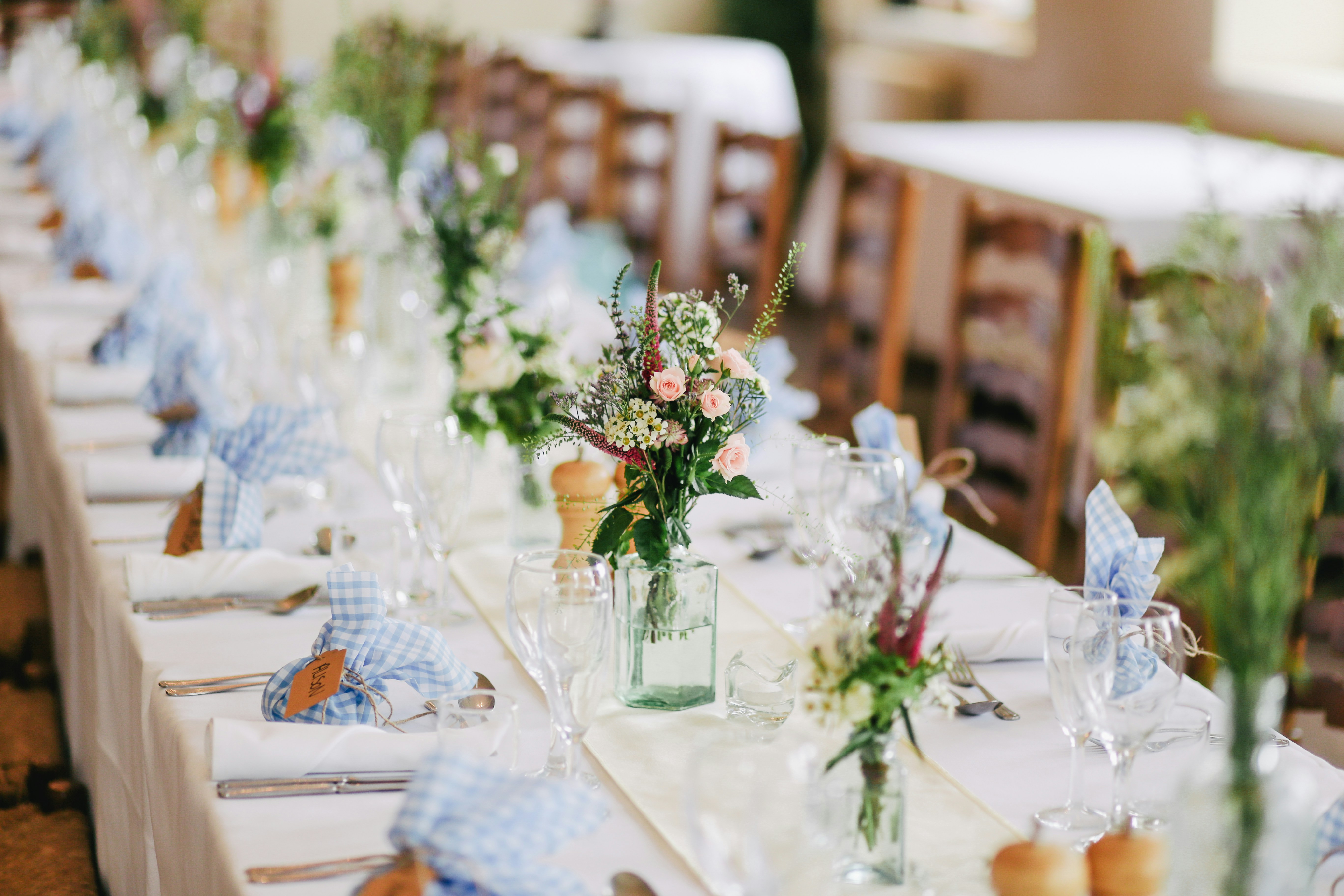
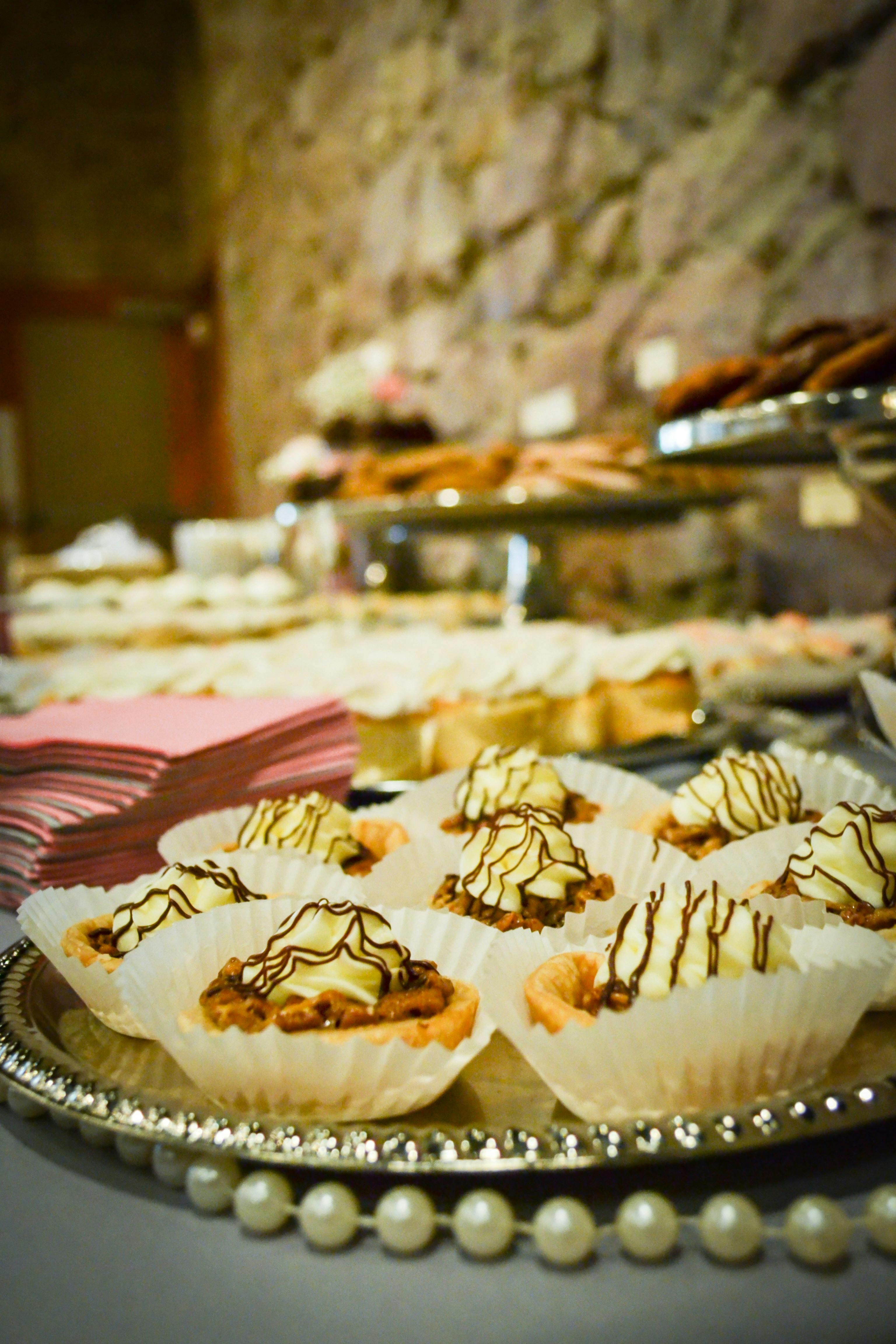
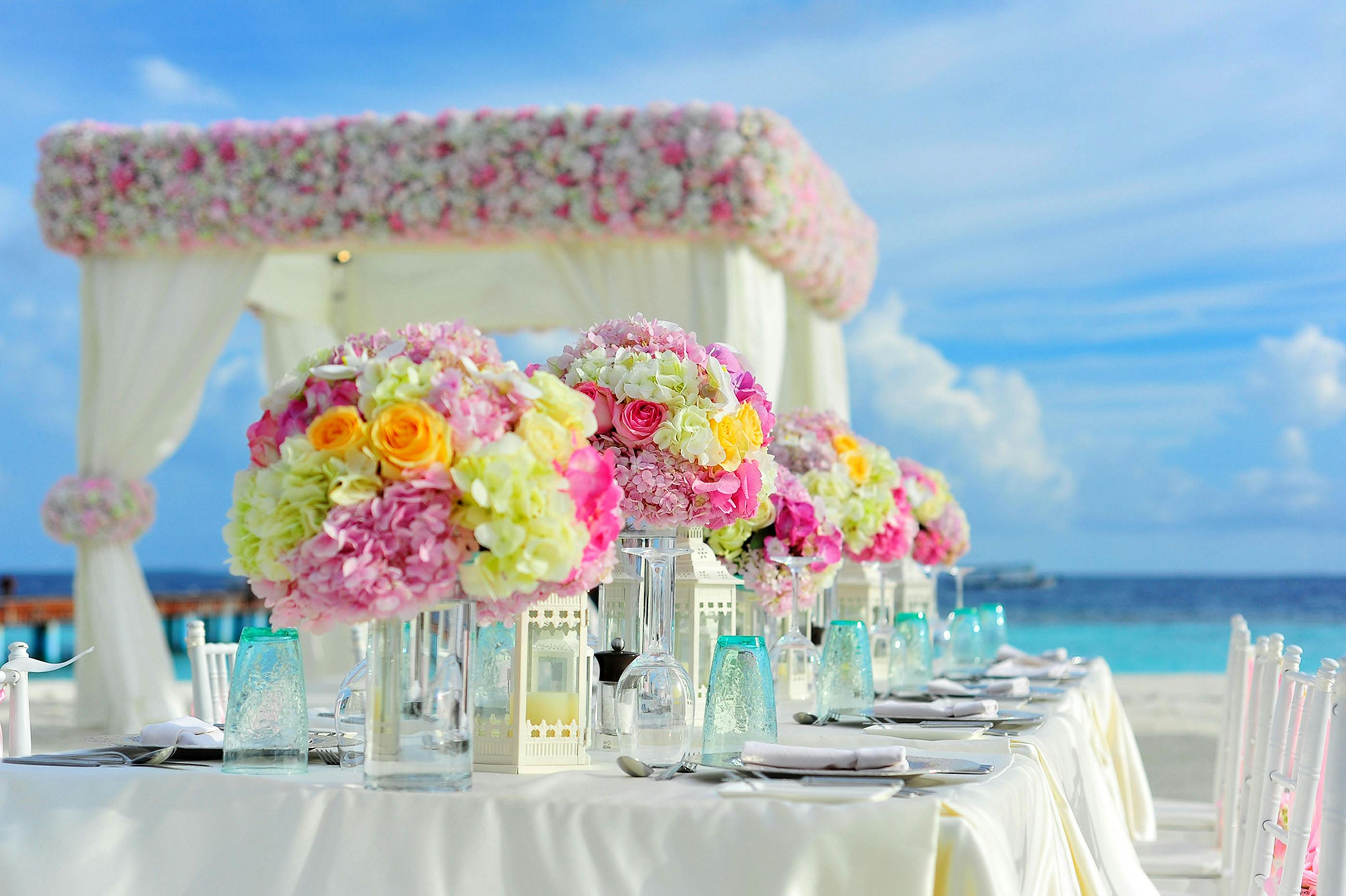
Watch our video on wedding invitation trends

Branding Matters: Logos, Typography, Invitations, and Signage
Wedding invitation design is part of a larger branding experience. When couples think beyond the invitation itself, the entire wedding feels more cohesive.
Branding elements can include:
- custom logos or monograms
- signature typography
- invitation suites
- welcome signage
- seating charts
- menu cards
- ceremony programs
- thank-you cards
These pieces do not need to match perfectly, but they should feel related. That’s where a clear visual identity makes a difference.
Typography is especially important because it appears everywhere. The same font choices that work on invitations often influence signage and printed details throughout the event. Couples and designers can explore wedding typography resources at https://fonts.wedding to discover fonts that suit different styles, from modern editorial to romantic classic.
When branding is done well, guests notice the consistency without consciously analyzing it. Everything feels connected, polished, and memorable.
Key Takeaways for Brides
If you are planning wedding invitations in 2026, focus on the details that make the biggest visual difference.
- Choose typography that is elegant and readable.
- Use a clear layout with strong visual hierarchy.
- Keep your color palette cohesive and intentional.
- Invest in quality paper and printing methods.
- Make sure your invitation suite works across print and digital formats.
- Tie your invitations to the wider wedding branding, including signage and monograms.
- Prioritize timelessness if you want your stationery to age well in photos.
The best wedding invitations do not follow every trend at once. They reflect the couple’s personality while still feeling refined, current, and beautifully designed.
FAQ: Wedding Invitation Design Trends 2026
What are the biggest wedding invitation design trends in 2026?
The biggest trends include editorial-style layouts, minimal typography, soft luxury finishes, textured paper, and cohesive branding across the full invitation suite.
What fonts work best for wedding invitations?
Elegant serif fonts, refined scripts, and clean sans serif pairings work especially well. The best choice depends on the wedding style, but readability should always come first.
How do I choose a wedding invitation design?
Start by defining your wedding style, color palette, and formality level. Then choose typography, paper, and layout elements that support that look consistently.
Are printed wedding invitations still popular in 2026?
Yes. Printed invitations remain popular, especially for formal and luxury weddings. Many couples also combine print with digital tools for convenience.
What makes a wedding invitation look expensive?
High-quality paper, thoughtful typography, clean layout, and subtle finishing details such as embossing, letterpress, or envelope liners all contribute to a premium look.