Minimalist Wedding Design Ideas 2026 Style Guide
Minimalist Wedding Design Ideas: The Complete Style Guide for 2026
Estimated reading time: 7 minutes
- Understanding the core principles of minimalist design
- How to choose the right color palette and typography
- Practical tips for planning a minimalist wedding
- Avoiding common mistakes in minimalist wedding planning
Table of Contents
- Introduction
- What Defines Minimalist Wedding Design?
- Core Elements of Minimalist Wedding Aesthetics
- Practical Planning Tips for Your Minimalist Wedding
- Wedding Branding and Cohesive Design Systems
- Real Wedding Inspiration: Minimalist in Action
- Common Mistakes to Avoid
- FAQ
Introduction
Minimalist wedding design has evolved from a niche aesthetic into one of the most sought-after wedding styles of 2026. If you’re drawn to clean lines, intentional spacing, and understated elegance, a minimalist approach to your wedding design offers sophistication without excess. This comprehensive guide explores how to create a stunning minimalist wedding that feels intentional, modern, and deeply personal—without relying on ornate decorations or overcomplicated themes.
Minimalism in weddings isn’t about boring or cold aesthetics. Instead, it celebrates the power of restraint, quality over quantity, and thoughtful curation. Every design element serves a purpose, every color choice is deliberate, and every detail contributes to an overall sense of calm elegance.
What Defines Minimalist Wedding Design?
Minimalist wedding design rests on four core principles:
- Simplicity: Remove non-essential elements. Every flower, font choice, and decoration should earn its place.
- Quality Materials: Invest in premium paper stock, refined metalwork, natural fibers, and high-quality flowers rather than quantity.
- Neutral Color Palettes: Focus on whites, creams, blacks, soft grays, and natural tones, with occasional muted accent colors.
- Intentional Spacing: Allow breathing room in your design. Don’t fill every inch of your invitation or every corner of your venue.
These principles create an atmosphere of refinement and calm—a striking counterpoint to maximalist, highly decorated wedding trends.
Core Elements of Minimalist Wedding Aesthetics
Color Palettes for Minimalist Weddings
The foundation of minimalist design begins with color. 2026 minimalist weddings favor:
- Monochromatic whites and creams: Different tones of white create depth without introducing color.
- Black and white contrast: Dramatic yet understated.
- Warm neutrals: Taupe, warm gray, and soft beige introduce warmth.
- Single accent color: One muted tone—sage green, soft terracotta, or dusty blue—added sparingly.
- Natural tones: Inspired by raw wood, stone, and linen.
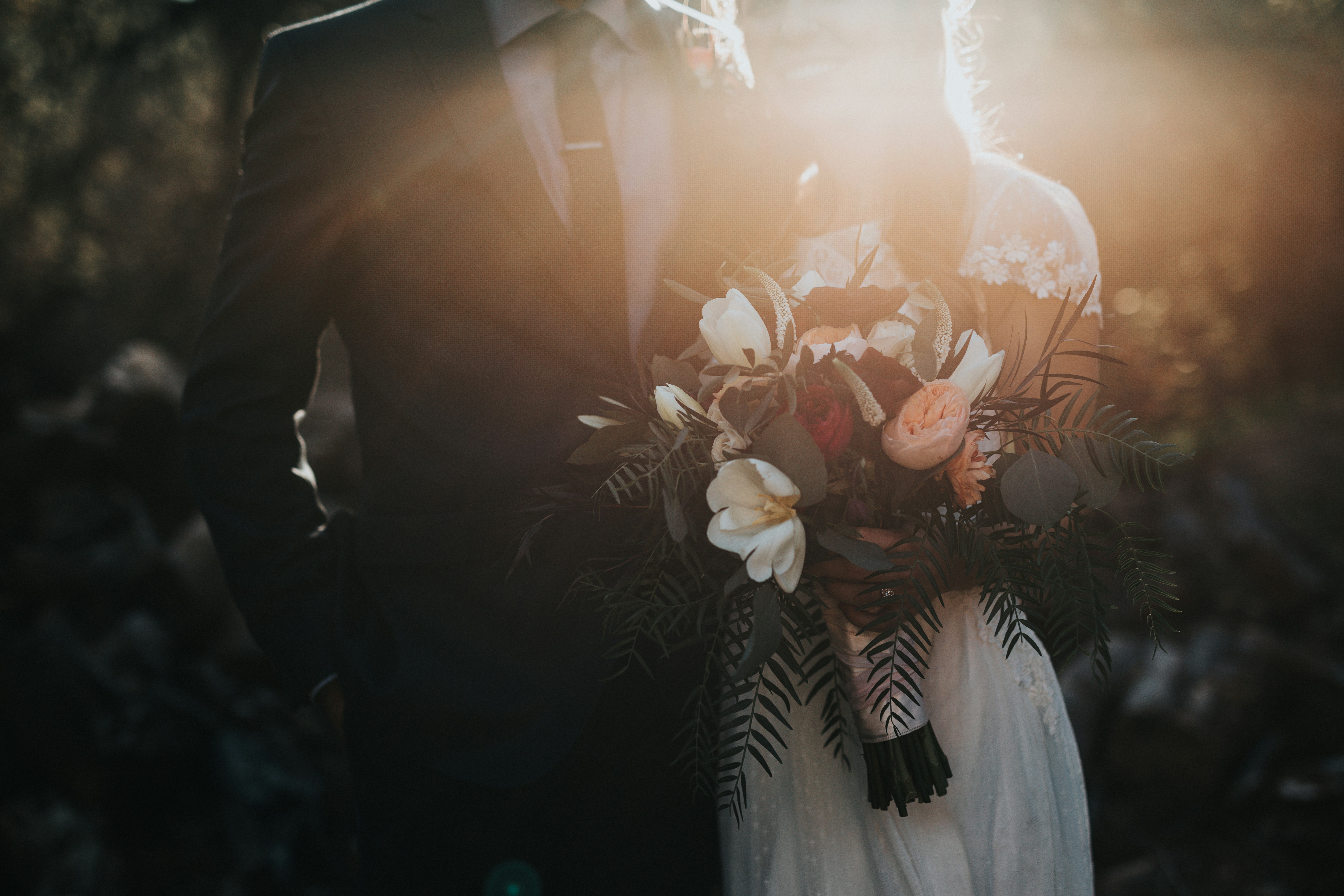
The key is restraint. If you choose a color palette of five shades, use them consistently across invitations, florals, linens, and signage.
Typography and Invitation Design
Typography is essential to minimalist wedding branding. Select one or two typefaces that reflect your aesthetic:
- Sans-serif fonts: Clean, modern, and inherently minimal (Helvetica, Futura, or contemporary alternatives).
- Refined serif fonts: Elegant and timeless without being ornate.
- Generous white space: Spread text across invitations with breathing room between lines and margins.
Minimalist invitations might feature:
- Single-color printing on premium cardstock
- Centered or left-aligned text
- Thin, elegant borders or no borders at all
- Flat card design without embellishments
A well-designed minimalist invitation communicates sophistication immediately. The absence of decoration becomes the decoration.
Design Principles for Minimalist Weddings
The Power of White Space
White space (or negative space) is your most powerful design tool. It creates visual calm and draws attention to what matters. On an invitation, white space around text makes the information feel important and easy to read. In a venue, empty walls and open tables feel more spacious and intentional than crowded designs.
Material Quality Over Decoration
Instead of layering decorations, invest in:
- Premium paper stocks: Textured, heavyweight cardstock communicates quality.
- Natural materials: Unfinished wood, stone, linen, and raw metals.
- Botanical elements: Single stems, minimal greenery, and natural flowers in one or two varieties.
- Metallic accents: Brushed gold, matte silver, or copper in measured amounts.
Monochromatic Florals
Minimalist florals don’t mean fewer flowers—they mean intentional selection. Consider:
- All-white floral arrangements with varying textures (roses, pampas grass, eucalyptus)
- Single-variety bouquets (all garden roses, all tulips)
- Structural elements like branches, grasses, and foliage over filler blooms
- Negative space within arrangements

Practical Planning Tips for Your Minimalist Wedding
Step 1: Define Your Color Story
Before choosing any vendor or design element, establish your complete color palette. Create a mood board using Unsplash, Pinterest, or design tools. Limit yourself to 3–5 colors maximum. Share this palette with your florist, stationer, and venue coordinator.
Step 2: Curate Your Vendor Team
Work with vendors who understand minimalism. Ask:
- Do you have experience with minimalist designs?
- Can you recommend minimal floral arrangements?
- How do you approach simple, elegant aesthetics?
A florist accustomed to lush, complicated arrangements may struggle with minimalist restraint.
Step 3: Create Design Guidelines
Develop a simple style guide for your wedding:
- Color codes (HEX codes for digital sharing)
- Approved fonts
- Photography style preferences
- Venue styling principles
This ensures consistency across all touchpoints.
Step 4: Plan Your Signage and Stationery
Minimalist signage works beautifully when executed with intention:
- Hand-lettered or printed signs on simple wood or metal stands
- Consistent typography across all signage
- Minimal text—only what’s necessary
- Generous margins and spacing

Wedding Branding and Cohesive Design Systems
Minimalist weddings benefit tremendously from a comprehensive branding approach. Your wedding brand encompasses:
- Logo or monogram: A simple, refined mark incorporating your initials or wedding date.
- Typography system: Two complementary typefaces used consistently across all materials.
- Color palette: Your complete color story applied to invitations, signage, stationery, and florals.
- Invitations and stationery: Premium paper stock, minimal ornamentation, generous white space.
- Signage: Consistent fonts and layouts for programs, menus, and directional signage.
- Photography style: Clear direction toward natural lighting, uncluttered backgrounds, and intentional composition.
This cohesive approach transforms individual elements into a unified aesthetic. When your invitations, signage, florals, and overall venue styling speak the same visual language, the effect is powerful and intentional. Couples and designers exploring advanced typography resources and design systems for wedding branding can find inspiration at https://fonts.wedding, where curated collections support minimalist and modern aesthetic development.
Real Wedding Inspiration: Minimalist in Action
Case Study: The Modern Rooftop Ceremony
A couple in Brooklyn chose an industrial rooftop venue with concrete and steel architecture. Their minimalist design enhanced the space:
- All-white florals with stark architectural branches
- Black and white invitations with generous spacing
- Simple wood tables with linen runners
- Single candle at each place setting
- Monochromatic photography direction
The result: The minimalist design made the venue’s architecture the hero. Guests felt the intention behind every choice.
Case Study: The Garden Minimalist Wedding
A couple in California created minimalism in a traditional garden setting:
- Soft cream and sage color palette
- Abundant but simple white flowering trees as primary décor
- Minimal table flowers—single stems in bud vases
- Handwritten menus on kraft paper
- Photography focused on natural light and uncluttered moments
The minimalist approach prevented the garden from feeling cluttered. Instead, the space felt curated and calm.
Common Mistakes to Avoid
- Mistake 1: Confusing Minimalism with “Cheap”
Minimalist doesn’t mean inexpensive. Premium paper stocks, quality flowers, and professional design cost money. The savings come from eliminating unnecessary elements, not from cutting corners on quality. - Mistake 2: Forgetting About Comfort
Minimalist venues shouldn’t feel cold or unwelcoming. Balance simplicity with warmth—candlelight, soft textiles, and thoughtful seating create comfort alongside restraint. - Mistake 3: Over-Explaining Your Style
Don’t apologize for the simplicity. Let the design speak for itself. Guests will feel the intentionality without explanation. - Mistake 4: Inconsistent Execution
If your invitation is minimalist but your florals are overwhelming, it undermines the overall design.
FAQ
Q: What are the key features of a minimalist wedding?
A: Key features include simplicity, quality materials, neutral color palettes, and intentional spacing.
Q: How can I ensure my wedding feels warm and inviting while maintaining a minimalist aesthetic?
A: Incorporate elements like candlelight, soft textiles, and comfortable seating to balance simplicity with warmth.
Q: Can I use color in a minimalist wedding?
A: Yes, select a single accent color and use it sparingly within a neutral palette to maintain a minimalist look.